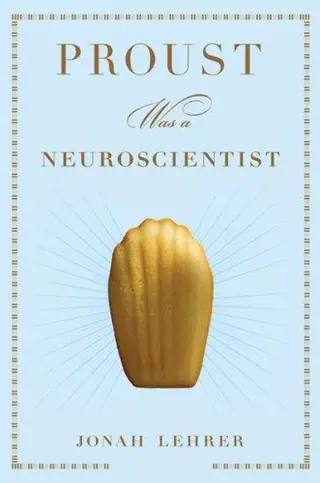
普鲁斯特是个神经科学家
Proust was a neuroscientist
Jonah Lehrer · 初版 2007 年
1人推荐
3位读者提及
3次提及
“为你推荐一本好书。我大约一周前读完它,至今仍回味无穷。我总想着要把那些折角页写进博客,却一直没顾上。简而言之:Jonah Lehrer 探讨了来自不同领域和时代的艺术家如何凭借对大脑特定功能的直觉或映射,走在了神经科学的前面。文字优美、通俗易懂、发人深省,这是一本拥抱艺术、肯定其在反映人类经验中不可或缺作用的科学著作。或许最重要的是,它也充分承认了大量科学内核中所固有的不确定性
Hacker News 上怎么说
正在加载完整评论……
我觉得 David Eagleman 的书——尤其是《Incognito》——对于了解大脑如何运作是非常棒的入门读物。《Proust was a Neuroscientist》则从一个有趣的视角切入,展现了历史上非科学家(艺术家、舞者、作家)是如何凭直觉参透了大脑某些部位的运作真相,而这些后来都被科学所证实。
I found David Eagleman's books, especially Incognito, to be really good introduction to how the brain works. "Proust was a Neuroscientist" is a delightful look at how non-scientists throughout history (artists, dancers, writers) have intuited truths about how parts of the brain work that have since been proven by science.
赞同。去看看他的《Proust Was A Neuroscientist》吧。切入点很棒,立意也很好……但归根结底,普鲁斯特并不是神经科学家,莱勒说的其他大部分东西也同样站不住脚。整篇文章的前提在我看来就根本说不通——咖啡……
Second that. Check out his Proust Was A Neuroscientist. Great framing, great idea...but in the end, no, Proust was not a neuroscientist, and the same goes for most else Lehrer has to say. The whole premise of this piece doesn't make sense to me - coffee,…
绝对让人大开眼界、拓展视野。感谢分享。瑞典语版本让我想起了莱勒在《Proust Was a Neuroscientist》里写弗吉尼亚·伍尔夫的那一章(他现在名声扫地,但他写普鲁斯特那本书还是挺带感的),他在那一章里声称,伍尔夫在《到灯塔去》中那种在当时十分新颖的意识流风格,体现了“注意力‘即是’意识”。
Absolutely mind/world-expanding. Thanks for sharing. The Swedish version reminds me of (the now "disgraced" but his Proust book is cool journalist) Lehrer's chapter on Virginia Woolfe in Proust Was a Neuroscientist, where he claims that "attention _is_ consciousness" in Woolf's then-novel stream of consciousness style in To the Lighthouse.