《追逐光束:雅达利视频计算机系统》(Racing the Beam: The Atari Video Computer System)是一本关于雅达利 2600 的好书,讲了开发者当年是如何在 70 和 80 年代硬件限制的夹缝中苦战,最终打造出一个游戏平台的。https://www.amazon.com/Racing-Beam-Computer-Platform-Studies...
Racing the Beam: The Atari Video Computer System Is a good read about the Atari 2600 and how the devs were able to fight within the limitations of 1970s and 1980s hardware to develop a gaming platform. https://www.amazon.com/Racing-Beam-Computer-Platform-Studies...
《追逐光束:雅达利视频计算机系统》(Racing the Beam: The Atari Video Computer System)这本书相当有趣地概述了他们当年必须克服的技术挑战。所谓的“追逐”(racing),就是指在 CRT 光束开始扫描绘制之前,必须把那一帧画面准备好。
The book "Racing the Beam: The Atari Video Computer System" is a pretty interesting overview of the technical challenges they had to overcome. The racing part comes to having to have the frame ready to paint before the CRT beam drew them.
"By paring back the hardware, the designers of the Atari Video Computer System gave game programmers room to be creative" That's some rose-coloured glasses right there if there ever were any. "You know, we COULD give this thing hardware sprites, independent video and audio chips!" "No!…
Here's a description from wikipedia: The book's title comes from the fact that the Atari 2600, initially branded the VCS (Video Computer System), did not have a video frame buffer, and required the programmers to write each line of video to the television, one line at a time. As there were only a limited number of machine cycles in which to do…
…Atari 2600 games always have a horizontally stretched look to them: https://en.wikipedia.org/wiki/Racing_the_Beam "The book's title comes from the fact that the Atari 2600, initially branded the VCS (Video Computer System), did not have a video frame buffer, and required the programmers to write each line of video to the television, one line at a time. As there were only a limited number of machine cycles in which to do…
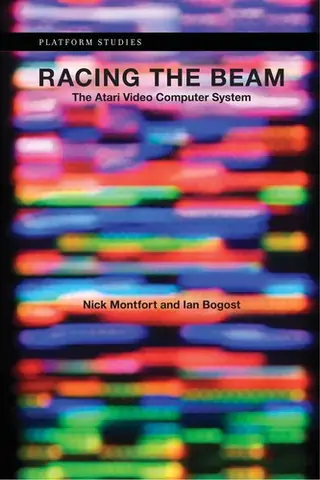
《追逐光束:雅达利视频计算机系统》(Racing the Beam: The Atari Video Computer System)是一本关于雅达利 2600 的好书,讲了开发者当年是如何在 70 和 80 年代硬件限制的夹缝中苦战,最终打造出一个游戏平台的。https://www.amazon.com/Racing-Beam-Computer-Platform-Studies...
Racing the Beam: The Atari Video Computer System Is a good read about the Atari 2600 and how the devs were able to fight within the limitations of 1970s and 1980s hardware to develop a gaming platform. https://www.amazon.com/Racing-Beam-Computer-Platform-Studies...
《追逐光束:雅达利视频计算机系统》(Racing the Beam: The Atari Video Computer System)这本书相当有趣地概述了他们当年必须克服的技术挑战。所谓的“追逐”(racing),就是指在 CRT 光束开始扫描绘制之前,必须把那一帧画面准备好。
The book "Racing the Beam: The Atari Video Computer System" is a pretty interesting overview of the technical challenges they had to overcome. The racing part comes to having to have the frame ready to paint before the CRT beam drew them.
“通过精简硬件,雅达利视频计算机系统的设计师们为游戏程序员留出了发挥创意的空间”——这绝对是自带十级美颜滤镜(rose-coloured glasses)了。“你知道的,我们本来可以给这玩意儿加上硬件 sprite,还有独立的音视频芯片!”“不行!……
"By paring back the hardware, the designers of the Atari Video Computer System gave game programmers room to be creative" That's some rose-coloured glasses right there if there ever were any. "You know, we COULD give this thing hardware sprites, independent video and audio chips!" "No!…
这是维基百科上的一段描述:书名源于这样一个事实——雅达利 2600(最初定名为 VCS,即 Video Computer System)没有视频 frame buffer,需要程序员一行一行地将画面写入电视。因为每个画行能用的 machine cycles 极其有限……
Here's a description from wikipedia: The book's title comes from the fact that the Atari 2600, initially branded the VCS (Video Computer System), did not have a video frame buffer, and required the programmers to write each line of video to the television, one line at a time. As there were only a limited number of machine cycles in which to do…
……雅达利 2600 游戏看起来总有一种水平拉伸的感觉:https://en.wikipedia.org/wiki/Racing_the_Beam “书名源于这样一个事实——雅达利 2600(最初定名为 VCS,即 Video Computer System)没有视频 frame buffer,需要程序员一行一行地将画面写入电视。因为每个画行能用的 machine cycles 极其有限……
…Atari 2600 games always have a horizontally stretched look to them: https://en.wikipedia.org/wiki/Racing_the_Beam "The book's title comes from the fact that the Atari 2600, initially branded the VCS (Video Computer System), did not have a video frame buffer, and required the programmers to write each line of video to the television, one line at a time. As there were only a limited number of machine cycles in which to do…