Raymond Chen 在他极棒的 The Old New Thing 博客里经常发问——“要是两个程序都这么搞会怎样?”要是每个大型 C++ 库都带一套自己定制的预处理器会怎样?moc 的最大问题在于,它证明了 Qt 压根就没考虑……
Raymond Chen in his excellent The Old New Thing blog frequently asks - "What if two programs did this". What if every large C++ library came with their own custom preprocessor? The major issue with moc is that it is evidence that Qt does not think…
如果你跟我一样觉得这些古怪细节和奇葩设计特别有意思,那你一定要盯紧 Raymond Chen 的博客 The Old New Thing[1]。[1] https://blogs.msdn.microsoft.com/oldnewthing/
If, like me, you find these quirks and oddities fascinating, you must keep an eye on Raymond Chen's blog, The Old New Thing[1]. [1] https://blogs.msdn.microsoft.com/oldnewthing/
……成了他们的竞争优势……每次扫一眼 Windows API,我都会被他们不得不背负的巨量历史包袱给彻底震惊到。每次看 Raymond Chen 的 The Old New Thing 上的博文我都会产生这种感觉。他会耐心地解释为什么某个奇葩瑕疵会变成现在这样,或者为什么滥用某个 API 会很糟糕,而且读起来总是极其过瘾。但与此同时我坐在那里只想感恩……
…competitive advantage for them… every time I get a glance into Windows APIs I'm blown away by how much historical garbage they seem to be stuck with. I get this feeling every time I read a post on The Old New Thing (Raymond Chen). He'll patiently explain why some weird wart is the way it is, or how misusing some API is bad, and it's always extremely interesting. But at the same time I'm sitting there just thanking…
……当你装了一套办公套件时居然会发生这种操作系统的破事?从某种奇怪的角度来说,我还挺喜欢看这种东西的。为什么呢?因为总有一天,Raymond Chen 会写一篇关于这事的文章,而我会在 The Old New Thing 上读到它;虽然 Chen 会把直接原因解释得非常透彻,但它们又会引向其他极度离奇的技术奇葩点,以至于我整个人都会陷入一种通常只有在面对……时才会有的哑口无言、彻底懵逼的状态。
…operating system when you have an office suite installed? In a perverse way, I enjoy stuff like this. Why? Because, someday, Raymond Chen will write about this and I will get to read about it on The Old New Thing, and while Chen will do a wonderful job of explaining the immediate causes, they will point to other technical oddities so bizarre that I will be reduced to a kind of mute incomprehension usually reserved…
……作为独立贡献者(IC)。相比于“现代”C++ 组件,我其实更喜欢没有异常、手动管理内存和错误处理的 C 以及老式 C++ 组件。推荐去看 Raymond Chen 的博客 The Old New Thing,里面有很多精彩的故事,讲了远古时期的 Windows/Office 组件为什么会写成那个样子、是怎么写的,以及对后世产生了什么深远影响。等等等等。https://blogs.msdn.microsoft.com/oldnewthing/……
…individual contributor. I actually preferred the C and older C++ components, with no exceptions and manual memory and error handling, to the "modern" C++ components. I recommend Raymond Chen's blog, The Old New Thing, for some cool stories about how and why ancient Windows/Office components were written a certain way, and what the effects down the line have been. Among other things. https://blogs.msdn.microsoft.com/oldnewthing/…
……要让记事本自己处理文本编辑,还得写很多代码。微软对待 backwards compatibility(向后兼容性)的态度是极其认真的。任何对微软这一面感到好奇的人,都会觉得 Raymond Chen 的 Old New Thing 博客很有意思(大概每周更新5篇)。比如这里有一篇打着 history 标签的内容:https://blogs.msdn.microsoft.com/oldnewthing/tag/history,这里讲了记事本其实有两个副本……
…code would have to be written for notepad to do its own text editing. Microsoft takes backwards compatibility very seriously. Anyone curious about the Microsoft side of this should find Raymond Chen's Old New Thing blog interesting (about 5 posts a week). For example here is content tagged history: https://blogs.msdn.microsoft.com/oldnewthing/tag/history and here is how there are actually two copies of Notepad…
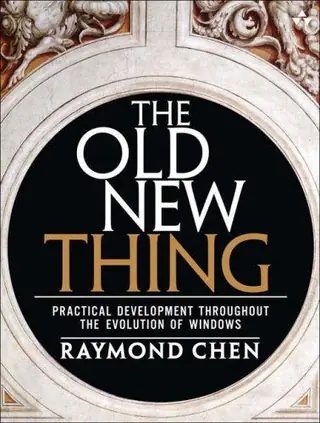
Raymond Chen 在他极棒的 The Old New Thing 博客里经常发问——“要是两个程序都这么搞会怎样?”要是每个大型 C++ 库都带一套自己定制的预处理器会怎样?moc 的最大问题在于,它证明了 Qt 压根就没考虑……
Raymond Chen in his excellent The Old New Thing blog frequently asks - "What if two programs did this". What if every large C++ library came with their own custom preprocessor? The major issue with moc is that it is evidence that Qt does not think…
如果你跟我一样觉得这些古怪细节和奇葩设计特别有意思,那你一定要盯紧 Raymond Chen 的博客 The Old New Thing[1]。[1] https://blogs.msdn.microsoft.com/oldnewthing/
If, like me, you find these quirks and oddities fascinating, you must keep an eye on Raymond Chen's blog, The Old New Thing[1]. [1] https://blogs.msdn.microsoft.com/oldnewthing/
……成了他们的竞争优势……每次扫一眼 Windows API,我都会被他们不得不背负的巨量历史包袱给彻底震惊到。每次看 Raymond Chen 的 The Old New Thing 上的博文我都会产生这种感觉。他会耐心地解释为什么某个奇葩瑕疵会变成现在这样,或者为什么滥用某个 API 会很糟糕,而且读起来总是极其过瘾。但与此同时我坐在那里只想感恩……
…competitive advantage for them… every time I get a glance into Windows APIs I'm blown away by how much historical garbage they seem to be stuck with. I get this feeling every time I read a post on The Old New Thing (Raymond Chen). He'll patiently explain why some weird wart is the way it is, or how misusing some API is bad, and it's always extremely interesting. But at the same time I'm sitting there just thanking…
……当你装了一套办公套件时居然会发生这种操作系统的破事?从某种奇怪的角度来说,我还挺喜欢看这种东西的。为什么呢?因为总有一天,Raymond Chen 会写一篇关于这事的文章,而我会在 The Old New Thing 上读到它;虽然 Chen 会把直接原因解释得非常透彻,但它们又会引向其他极度离奇的技术奇葩点,以至于我整个人都会陷入一种通常只有在面对……时才会有的哑口无言、彻底懵逼的状态。
…operating system when you have an office suite installed? In a perverse way, I enjoy stuff like this. Why? Because, someday, Raymond Chen will write about this and I will get to read about it on The Old New Thing, and while Chen will do a wonderful job of explaining the immediate causes, they will point to other technical oddities so bizarre that I will be reduced to a kind of mute incomprehension usually reserved…
……作为独立贡献者(IC)。相比于“现代”C++ 组件,我其实更喜欢没有异常、手动管理内存和错误处理的 C 以及老式 C++ 组件。推荐去看 Raymond Chen 的博客 The Old New Thing,里面有很多精彩的故事,讲了远古时期的 Windows/Office 组件为什么会写成那个样子、是怎么写的,以及对后世产生了什么深远影响。等等等等。https://blogs.msdn.microsoft.com/oldnewthing/……
…individual contributor. I actually preferred the C and older C++ components, with no exceptions and manual memory and error handling, to the "modern" C++ components. I recommend Raymond Chen's blog, The Old New Thing, for some cool stories about how and why ancient Windows/Office components were written a certain way, and what the effects down the line have been. Among other things. https://blogs.msdn.microsoft.com/oldnewthing/…
……要让记事本自己处理文本编辑,还得写很多代码。微软对待 backwards compatibility(向后兼容性)的态度是极其认真的。任何对微软这一面感到好奇的人,都会觉得 Raymond Chen 的 Old New Thing 博客很有意思(大概每周更新5篇)。比如这里有一篇打着 history 标签的内容:https://blogs.msdn.microsoft.com/oldnewthing/tag/history,这里讲了记事本其实有两个副本……
…code would have to be written for notepad to do its own text editing. Microsoft takes backwards compatibility very seriously. Anyone curious about the Microsoft side of this should find Raymond Chen's Old New Thing blog interesting (about 5 posts a week). For example here is content tagged history: https://blogs.msdn.microsoft.com/oldnewthing/tag/history and here is how there are actually two copies of Notepad…