Just going to say - for those that don't know Keith Jarrett.. go listen to the Koln Concert. When listening, remember that he improvised - meaning made up on the spot - every note that evening. One of the most powerful moments on the piano, at least to me. Amazon link to Koln concert: https://www.amazon.com/Koln-Concert-Keith-Jarrett/dp/B000026...
-For something same, same but decidedly different, you could do worse than checking out Keith Jarrett.
I usually recommend his Köln Concert as a starting point - a recording of a 1975 concert which even though I've probably listened to it a thousand times over the years still sounds fresh and brings a smile to my face every time I put it on.
Among the contemporaries, I have a soft spot for Iiro
> 这可能反而逼得他做了更多即兴发挥,因为他原本能当作依靠的那些预先写好的旋律,在那台破钢琴上可能根本弹不出来。
唔,我持怀疑态度。我觉得实际情况可能恰恰相反。反正这全都是瞎猜。有一本书叫《基思·杰瑞特的〈科隆音乐会〉》(Keith Jarrett’s The Köln Concert),写得似乎挺不错。
顺便说一句,我老提《面对你》(Facing You)是因为我
> That may have forced him to improvise a lot more as whatever pre-composed melodies he could use as a crutch may have not been workable with the piano he had.
Hmm I doubt it. I'd expect that to exert force more in the other direction. Anyway, it's all speculation. There is a book called Keith Jarrett’s The Köln Concert which seems well-written.
p.s. I just keep mentioning Facing You because I
…well that gives you a starting point for finding recordings. - for recorded music, start with crossover or fusion jazz that shares a musical border with stuff you already like. Perhaps Keith Jarrett's Koln Concert might be worth a try (solo piano with lots of ostinato passages - not 'like' Glass, but perhaps appealing to some of the same impulses). Jazz isn't the hermetically sealed thing it used to be, and you'll…
…fixed. Of course other jazz is still pushing, and because of that it is a less clear defined part of the genre. My personal favorite is Keith Jarrett, clearly owing to Monk, with the Tokyo concert. His Koln concert is better known, and less avant guarde, the Tokio requires full attention from the listener. I like the articles focus on a single person, as jazz itself grew so wide it is hard to say anything about…
Yes I love that piece, such a trip - good for driving too. When I was at school and revising for exams I used to listen to a lot of classical music, mainly Beethoven, Rachmaninov, Elgar, Britten - I found that it really helped (also The Köln Concert by Keith Jarrett). So maybe the ultimate focus music is a bit like classical but with added noise and hypnotic rhythmic patterns ...
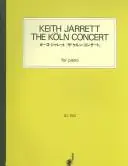
我就直说了——给那些还不知道基思·杰瑞特(Keith Jarrett)的人……去听听《科隆音乐会》(The Köln Concert)吧。听的时候要记住,那天晚上所有的音符全都是他即兴发挥的——意思就是当场现编的。至少对我而言,那是钢琴史上最震撼人心的时刻之一。科隆音乐会的亚马逊链接:https://www.amazon.com/Koln-Concert-Keith-Jarrett/dp/B000026...
Just going to say - for those that don't know Keith Jarrett.. go listen to the Koln Concert. When listening, remember that he improvised - meaning made up on the spot - every note that evening. One of the most powerful moments on the piano, at least to me. Amazon link to Koln concert: https://www.amazon.com/Koln-Concert-Keith-Jarrett/dp/B000026...
-如果想找点看似相似却又截然不同的东西,去听听基思·杰瑞特准没错。 我通常推荐拿他的《科隆音乐会》当入门——那是一场1975年音乐会的现场录音,哪怕这些年来我可能已经听过上千遍了,每次放出来依然觉得耳目一新,嘴角总会忍不住泛起微笑。 在同代音乐家里,我个人对伊罗(Iiro)情有独钟
-For something same, same but decidedly different, you could do worse than checking out Keith Jarrett. I usually recommend his Köln Concert as a starting point - a recording of a 1975 concert which even though I've probably listened to it a thousand times over the years still sounds fresh and brings a smile to my face every time I put it on. Among the contemporaries, I have a soft spot for Iiro
> 这可能反而逼得他做了更多即兴发挥,因为他原本能当作依靠的那些预先写好的旋律,在那台破钢琴上可能根本弹不出来。 唔,我持怀疑态度。我觉得实际情况可能恰恰相反。反正这全都是瞎猜。有一本书叫《基思·杰瑞特的〈科隆音乐会〉》(Keith Jarrett’s The Köln Concert),写得似乎挺不错。 顺便说一句,我老提《面对你》(Facing You)是因为我
> That may have forced him to improvise a lot more as whatever pre-composed melodies he could use as a crutch may have not been workable with the piano he had. Hmm I doubt it. I'd expect that to exert force more in the other direction. Anyway, it's all speculation. There is a book called Keith Jarrett’s The Köln Concert which seems well-written. p.s. I just keep mentioning Facing You because I
…行吧,这也算是给了你一个找录音作品的切入点。- 要听录音作品的话,先从融合爵士(crossover 或 fusion jazz)开始,这类音乐跟你已经喜欢的东西在风格上有交集。或许基思·杰瑞特的《科隆音乐会》值得一试(独奏钢琴带大量固定音型循环段落——并不“像”菲利普·格拉斯,但或许能满足相似的听觉渴望)。爵士乐已经不再是以前那种与世隔绝的封闭圈子了,而且你会…
…well that gives you a starting point for finding recordings. - for recorded music, start with crossover or fusion jazz that shares a musical border with stuff you already like. Perhaps Keith Jarrett's Koln Concert might be worth a try (solo piano with lots of ostinato passages - not 'like' Glass, but perhaps appealing to some of the same impulses). Jazz isn't the hermetically sealed thing it used to be, and you'll…
…固定。当然,其他爵士乐依然在不断突破,也正因如此,它在这一流派中的界限没那么清晰。我个人的最爱是基思·杰瑞特,明显承袭了蒙克(Monk)的风格,尤其是他的东京音乐会。他的科隆音乐会名气更大,先锋味没那么浓,而东京场则需要听众全神贯注。我很喜欢这篇文章把焦点放在单个人物身上,因为爵士乐本身已经庞杂到让人很难概括…
…fixed. Of course other jazz is still pushing, and because of that it is a less clear defined part of the genre. My personal favorite is Keith Jarrett, clearly owing to Monk, with the Tokyo concert. His Koln concert is better known, and less avant guarde, the Tokio requires full attention from the listener. I like the articles focus on a single person, as jazz itself grew so wide it is hard to say anything about…
是的,我超爱那首曲子,听起来简直太迷幻了——开车听也很爽。我上学备考复习那会儿经常听大量的古典乐,主要是贝多芬、拉赫玛尼诺夫、埃尔加、布里顿——我发现这真的超级管用(基思·杰瑞特的《科隆音乐会》也很灵)。所以说,终极的专注音乐可能有点像古典乐,但要额外加上白噪音和催眠般的律动节奏……
Yes I love that piece, such a trip - good for driving too. When I was at school and revising for exams I used to listen to a lot of classical music, mainly Beethoven, Rachmaninov, Elgar, Britten - I found that it really helped (also The Köln Concert by Keith Jarrett). So maybe the ultimate focus music is a bit like classical but with added noise and hypnotic rhythmic patterns ...