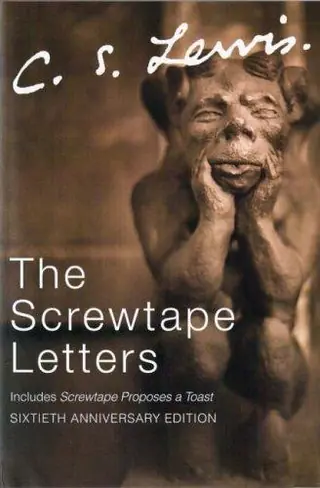
地狱来鸿
The Screwtape Letters
C. S. Lewis · 初版 1942 年
18人推荐
38位读者提及
45次提及
为什么值得读
- 揭示沉沦往往源于习惯放弃善而非犯下大罪
- 以讽刺笔调呈现跨越单一宗教的普遍道德智慧
- 构思极其精巧深刻,对当代文学创作极具启发
作为大众神学史上的里程碑,The Screwtape Letters 是一部探讨属灵争战与诱惑机制的标志性经典。这部深刻而引人入胜的叙事以一系列书信形式展开,信件由地狱公务体系中的高层魔鬼 Screwtape 写给其侄子 Wormwood——一位初在人间执行任务、企图让一名新基督徒堕落沉沦的年轻下属。尽管这名年轻人起初看似是个心甘情愿的受害者,但他后来改过自新,令年轻魔鬼彻底失手。本书献给 Lewis 的好友兼同事 J。
Hacker News 上怎么说
正在加载完整评论……
任何自诩为作家却没读过《地狱来鸿》(The Screwtape Letters)的人,都没资格写现代文学。
Any claimed author who's not read The Screwtape Letters has no business writing modern literature.
除了陀思妥耶夫斯基之外,基督教经典中还蕴藏着大量的智慧与深邃真理。C.S. 刘易斯(C.S. Lewis)的护教论著(《地狱来鸿》、《痛苦的奥秘》、《天路归程》),奥古斯丁的《忏悔录》和《上帝之城》,托马斯·默顿的《七重山》,以及 G.K. 切斯特顿的《永恒的人》。这些书很少被……读过(甚至知晓)。
Besides Dostoevsky, there is abundant wisdom and deep truths to be found in the classics of Christianity. The apologetics of C.S. Lewis (Screwtape Letters, The Problem with Pain, The Great Divorce), Augustine's Confessions and City of God, Seven Storey Mountain by Thomas Merton and G.K. Chesterton's Everlasting Man. These are seldom read (or known) by…
这是我高中毕业后第一次重读 C.S. 刘易斯的《地狱来鸿》,比当年更加懂得欣赏它了。虽然它是从基督教视角写的,但书里的处世原则适用于任何道德框架。
I reread “The Screwtape Letters” by CS Lewis for the first time since high school and appreciated it even more. Although it’s written from a Christian point of view, the principles are applicable to any moral framework.
C.S. 刘易斯在《天路归程》(The Great Divorce)和《地狱来鸿》中探讨的思路十分相似,这是截然不同的两本书,但我认为它们都改变了我的人生。两本书的共同主题在于:走向毁灭并不意味着犯下滔天大罪,而是心安理得地放弃向善。
C. S. Lewis writes along similar lines in The Great Divorce and The Screwtape Letters, two very different books, but both of which of I'd credit as changing my life. The common theme in both is that to be damned is not to sin greatly, but to become comfortable with the abandonment of good.
丹尼尔·卡尼曼的《思考,快与慢》 理查德·福斯特的《活水江河》 C.S. 刘易斯的《地狱来鸿》
Thinking, Fast and Slow by Daniel Kahneman Streams of Living Water by Richard Foster Screwtape Letters by CS Lewis
……奥古斯丁;13世纪:圣托马斯·阿奎那的《神学大全》;14世纪:但丁·阿利吉耶里的《神曲》(包含《地狱篇》);20世纪:G.K. 切斯特顿的《正统思想》,C.S. 刘易斯的《返璞归真》与《地狱来鸿》,教宗保禄六世的《人类生命》(身体神学)
…Augustine 13th century: Summa Theologica by St. Thomas Aquinas 14th century: The Divine Comedy (includes Inferno) by Dante Alighieri 20th century: Orthodoxy by G.K. Chesterton, Mere Christianity and The Screwtape Letters by C.S. Lewis, Humanae Vitae (Theology of the Body) by Pope Paul VI