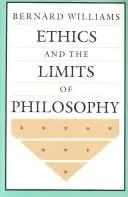
伦理学与哲学的限度
Ethics and the limits of philosophy
Bernard Arthur Owen Williams · 初版 1985 年
3人推荐
3位读者提及
3次提及
在本书中,Bernard Williams对康德以来的道德理论展开了持续而有力的控诉。他的目标无非是让伦理学重新回归以个体为核心。他探讨了当代哲学中最棘手的问题,并在相对主义、客观性以及伦理知识的可能性等议题上提出了全新的见解。——
Hacker News 上怎么说
正在加载完整评论……
Ethics and the limits of philosophy
Bernard Arthur Owen Williams · 初版 1985 年
在本书中,Bernard Williams对康德以来的道德理论展开了持续而有力的控诉。他的目标无非是让伦理学重新回归以个体为核心。他探讨了当代哲学中最棘手的问题,并在相对主义、客观性以及伦理知识的可能性等议题上提出了全新的见解。——
正在加载完整评论……
……Willard Van Orman Quine:《From a Logical Point of View》 J. L. Mackie:《Ethics: Inventing Right and Wrong》 Thomas Nagel:《Mortal Questions》(短篇论文,文笔极佳,通俗易懂) Bernard Williams:《Ethics and the Limits of Philosophy》 Michael Smith:《The Moral Problem》 进阶、偏技术流且较冷门:Michael Beaney 的《The Frege Reader》(适合现代逻辑和分析哲学学派的现当代哲学起源) J. L. Mackie:……
…Willard Van Orman Quine: From a Logical Point of View J. L. Mackie: Ethics: Inventing Right and Wrong Thomas Nagel: Mortal Questions (short essays, well-written, very accessible) Bernard Williams: Ethics and the Limits of Philosophy Michael Smith: The Moral Problem Specialist, technical, odd: The Frege Reader by Michael Beaney (for modern logic and the beginnings of contemporary philosophy in the analytic style) J. L. Mackie:…
……应当最大化。[2]:Bernard Williams 在非道德主义(amoralism)方面写过极多内容,尤其是关于非道德主义者在面对自身行为时不得不承认的前后矛盾。《Ethics and the Limits of Philosophy》和《Morality: An Introduction to Ethics》都包含关于非道德主义及其作为一种哲学模式之不可行性的精彩段落/章节。
…ought to maximize. [2]: Bernard Williams has written very extensively on amoralism, and particularly on the inconsistencies that amoralists must concede upon being presented with their own behavior. Ethics and the Limits of Philosophy and Morality: An Introduction to Ethics both contain great passages/chapters on amoralism and its inviability as a philosophical model.
……所探讨的。我是通过阅读 Bernard Williams 的两篇文章了解到的,我认为哪怕他从没用过这个名称,他也该被视作这套表述的提出者。第一篇是他的书《Ethics and the limits of philosophy》,第二篇是论文《How free does the will need to be?》。如果有人对这个议题感兴趣,我建议沿着那篇论文的引用链去顺藤摸瓜。
…about. I learned about it by reading two texts by Bernard Williams and I would say that he should be named the author of this formulation even though he never used such name. The first text is his book "Ethics and the limits of philosophy" and the second is the essay "How free does the will need to be?". If someone is interested in this issue then I would recommend following the citation trail of the essay.