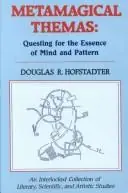
元逻辑话题
Metamagical Themas
Douglas R. Hofstadter · 初版 1985 年
45人推荐
84位读者提及
98次提及
为什么值得读
- 短篇专栏形式结构紧凑且阅读门槛非常低
- 探讨深思熟虑的博弈与心理数字游戏机制
- 对语言、性别代词及思维习惯有独到洞察
1979年Godel, Escher, Bach出版时,Hofstadter一举成名。极少有人能像他这样将语言与知识玩弄于股掌之间:才华横溢、博学多才、富于创造、幽默风趣,且教学水平极高。同样的品质构成了Metamagical Themas的特色。这是1981至1983年间发表在Scientific American上的文章结集,如今借助详尽的后记被串联为一个有机整体。其主题大致涵盖了我们在Godel, Escher, Bach中所熟知的同一宽广领域:人工智能、创
Hacker News 上怎么说
正在加载完整评论……
……Bostic、Karels、Quarterman 的《UNIX操作系统设计与实现》;Bach 的《UNIX操作系统设计》;Kernighan、Pike 的《UNIX编程环境》;Raymond 的《UNIX编程艺术》;Hofstadter 的《哥德尔、艾舍尔、巴赫》;Hofstadter 的《元魔法主题》(Metamagical Themas);Spolsky 的《软件随想录》;McConnell 的《代码大全》;Brooks 的《人月神话》;Brooks 的《没有银弹》;Anderson 的《长尾理论》;Kawasaki 的《创业的艺术》
…Bostic, Karels, Quarterman The Design of the Unix Operating System - Bach The Unix Programming Environment - Kernighan, Pike The Art of Unix Programming - Raymond Godel, Escher, Bach - Hofstadter Metamagical Themas - Hofstadter Joel on Software - Spolsky Code Complete - McConneli The Mythical Man-Month - Brooks No Silver Bullet - Brooks The Long Tail - Anderson The Art of the Start - Kawasaki
我记得读过道格拉斯·霍夫施塔特的一本书——《元魔法主题》(Metamagical Themas)——很喜欢他给所有 Lisp 代码用的粗体 Helvetica 字体。不过我怀疑他写代码时到底用不用这字体……
I remember reading one of Douglas Hofstadter's books - Metamagical Themas - and liking the bold Helvetica font he used for all the Lisp code. But I doubt he coded with it...
……在你用“他”(he)来指代她之后才发现外科医生其实是个女性,任你怎么说教“在指代不明的情况下用‘he’完全没问题”也无济于事。顺便提一句,道格拉斯·霍夫施塔特(在《元魔法主题》的某个地方)提出了一个极好的观点:在通指单数时到底是该用“they”还是“he”,本质上取决于人们在身为女性时被叫成男人、还是身为单数时被叫成复数哪个更觉得被冒犯。这涉及……
…surgeon was a woman after you used "he" to refer to her, and no amount of lecturing about how "'he' is a perfectly fine for ambiguous cases" is going to change this. Btw, Douglas Hofstadter (somewhere in Metamagical Themas) made a great point that the use of "they" vs "he" for the generic singular being an issue of whether people are more offended at being called a man when a woman or multiple when singular. There are…
这其实就是道格拉斯·霍夫施塔特在《元魔法主题》(顺便说一句,极力推荐这本书)中关于心理数字游戏那一部分里描述的一个非常有趣的博弈的变体。在他的游戏里,10个人在不知道其他人选择的情况下可以选择“是”或“否”。如果所有人……
This is just a variation of a very interesting game Douglas Hofstadter describes in Metamagical Themas (extremely highly recommended by the way) in the section on psychological number games. In his game 10 people are allowed to choose "yes" or "no" without knowing what other people chose. If everyone…
我没从《GEB》里收获太多,但我把《元魔法主题》[0]翻了个底朝天。对于一个刚学编程的青少年来说,它简直太合适了。这种短小精悍的篇幅让它极易上手——或许这就是限制(固定字数的定期专栏)激发出更多创造力……
I didn't get a lot out of GEB, but I pored over Metamagical Themas [0]. It was perfect for a teenager just learning programming. The bite-sized nature of it makes it extremely approachable - perhaps a case of constraints (periodic column of N words) leading to more creative…
……但这种咬文嚼字是有理有据的。我知道在智商测试中拿到 125 分所需要的技能,没有哪一项费曼不是接近人类极限的。我说的这段文字出自霍夫施塔特那本神作《元魔法主题》:https://books.google.ca/books?id=NSpMDQAAQBAJ&q=feynman+sat
…but defensibly pedantic. I know that scoring 125 on an IQ test requires no skill that Feynman wasn't near the limits of human capability at. The passage I'm talking about, from Hofstadter's amazing "Metamagical Themas": https://books.google.ca/books?id=NSpMDQAAQBAJ&q=feynman+sat