…https://repositories.lib.utexas.edu/handle/2152/46072(我要是早知道的话,就早点/在楼上贴链接了,因为这非常相关)它的参考文献也很适合延伸阅读] 至于现代印度-雅利安语从梵语的早期演变:(2) Jules Bloch (A. Master 编兼译). 1965. 《Indo-Aryan from the Vedas to modern times》. 巴黎: Adrien-Maisonneuve。如果要看更全面的综述(包括历史和其他方面)……
…https://repositories.lib.utexas.edu/handle/2152/46072 (had I known, I would have linked it earlier/higher in the thread, since it's very relevant) its bibliography is also good for further reading] For the earlier development of modern Indo-Aryan languages from Sanskrit: (2) Jules Bloch (ed. & translated by A. Master). 1965. Indo-Aryan from the Vedas to modern times. Paris: Adrien-Maisonneuve. For a good general overall (including history and other things)…
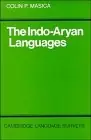
…either, with the possible exception of ezafe[1] (which both Hindi and Urdu speakers are perfectly able to comprehend, even if they do not produce it). edit: this is Colin Masica's take in his book The Indo-Aryan Languages (p.27): > The ultimate anomaly in the what-is-a-language dilemma in Indo-Aryan is presented by the Hindi-Urdu situation. Counted as different languages in sociocultural Sense B (and officially), Urdu…
…https://repositories.lib.utexas.edu/handle/2152/46072(我要是早知道的话,就早点/在楼上贴链接了,因为这非常相关)它的参考文献也很适合延伸阅读] 至于现代印度-雅利安语从梵语的早期演变:(2) Jules Bloch (A. Master 编兼译). 1965. 《Indo-Aryan from the Vedas to modern times》. 巴黎: Adrien-Maisonneuve。如果要看更全面的综述(包括历史和其他方面)……
…https://repositories.lib.utexas.edu/handle/2152/46072 (had I known, I would have linked it earlier/higher in the thread, since it's very relevant) its bibliography is also good for further reading] For the earlier development of modern Indo-Aryan languages from Sanskrit: (2) Jules Bloch (ed. & translated by A. Master). 1965. Indo-Aryan from the Vedas to modern times. Paris: Adrien-Maisonneuve. For a good general overall (including history and other things)…
……也没有,可能 ezafe[1] 是个例外(即使印地语和乌尔都语的使用者自己不说,也完全能够理解)。edit:这是 Colin Masica 在他的书《The Indo-Aryan Languages》(第 27 页)中的观点:> 在印度-雅利安语系“何为一种语言”的困境中,印地语与乌尔都语的关系构成了终极异数。在社会文化意义 B(以及官方层面)上它们被视为不同的语言,乌尔都语……
…either, with the possible exception of ezafe[1] (which both Hindi and Urdu speakers are perfectly able to comprehend, even if they do not produce it). edit: this is Colin Masica's take in his book The Indo-Aryan Languages (p.27): > The ultimate anomaly in the what-is-a-language dilemma in Indo-Aryan is presented by the Hindi-Urdu situation. Counted as different languages in sociocultural Sense B (and officially), Urdu…