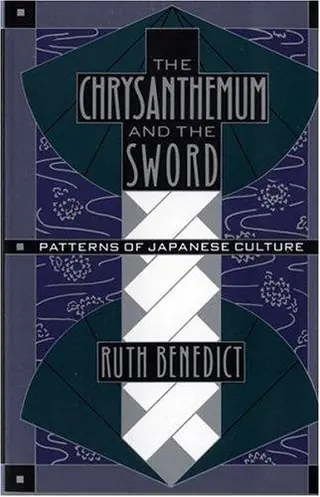
菊与刀
The Chrysanthemum and the Sword
Ruth Benedict · 初版 1946 年
3人推荐
10位读者提及
10次提及
为什么值得读
- 深入解析日本文化中「恩」与义务的核心概念
- 探讨日本社会本音与建前表里文化的成因
- 战后曾得到日本本土一代读者的普遍认可
人类学家 Ruth Benedict 在第二次世界大战接近尾声时撰写了这项关于日本文化的研究,旨在向美国人解释日本。该书已成为一部经典之作。出版于 1946 年。
Hacker News 上怎么说
正在加载完整评论……
……等等,比如为什么在所有文化中都有的“建前/本音”(表面客套与内心真实想法)的分别,在日本会极端到这种地步。几十年前,人类学家鲁思·本尼迪克特在她的书《菊与刀》中就探讨过这个问题(以及其他问题),该书深受日本战后一代人的推崇。你或许可以先从这本看起。
…and others, such as why the tatemae/honne distinction, present in all cultures, is so extreme in Japan. Decades ago, anthropologist Ruth Benedict discussed this issue (among others) in her book, "The Chrysanthemum and the Sword", which was held in high esteem by the Japanese post-war generation. You might start with that.
日语中的“恩”指的是一种义务或负恩(并不一定带有英语单词那种消极负面的意味)。对主君的恩、对天皇的恩、对父母的恩等等。我推荐读读鲁思·本尼迪克特的《菊与刀》,以便更深入地理解这一非常重要——尽管正在式微——的日本文化特质。
Japanese on 恩 describes obligation (not necessarily with the negative connotation of the English word). Obligation to one's lord, to the emperor, one's parents, etc. I recommend Chrysanthemum and the sword by Ruth Benedict for a more detailed understanding of this very important, albeit fading, part of Japanese culture.
……终于把儿童色情制品给禁了。他们到现在还有男女混浴的公共温泉呢。我不觉得你的故事能代表日本人不趁乱洗劫的国民性格。去读读《菊与刀:日本文化的面貌》吧。
…finally prohibited child porns. They still have public spas that allow both men and women in one tub. I don't think your story represents Japanese people's personality regarding not looting. Read <The Chrysanthemum and the Sword: Patterns of Japanese Culture>.
非常感谢这番解释。这让我想起了当初读鲁思·本尼迪克特的《菊与刀》时的感觉。在读完那本书之后,我去年去了日本旅游(全程都借宿在当地人家里),鲁思·本尼迪克特书里描写的那些刻板教条我大部分都没碰到,但我感受到了……
Thank you very much for this explanation. It reminded a bit when I read The Chrysanthemum and the Sword by Ruth Benedict. I visited Japan (and stayed with locals all the time) this last year after reading that book and I didn't see most of these rigid descriptions Ruth Benedict explained there, but I felt…
……“羞耻文化”与“内疚文化”的概念,并把日本人和欧洲文化一起归类为内疚文化。但这个概念最早是由鲁思·本尼迪克特在一本叫《菊与刀》的书里推广开来的,她在书中声称日本文化是一种羞耻(haji)文化,那里的社会规范主要是靠对被孤立的恐惧(“你要是这么做就没人愿意跟你做朋友/帮你了!”)来维持的,而不是靠内化的……
…concept of Shame Cultures vs. Guilt Cultures and mentions the Japanese as a Guilt Culture, along with the European cultures. But this concept was first popularized in a book by Ruth Benedict called the Chrysanthemum and the Sword, where she claims that Japanese culture is a Shame (haji) culture where social norms are primarily enforced by fear of ostracism ("Nobody will be your friend/help you if you act like that!") versus internalized…
有意思!顺便说一句,作为一个法国人,比起美国人,我反倒觉得自己跟鲁思·本尼迪克特在《菊与刀》里描述的日本人更有共鸣,尽管从那本书的角度来看,日本人才是所谓的“异类”。
Interesting ! On a similar note, as a Frenchman, I felt somewhat closer to the Japanese described in "The Chrysanthemum and the Sword" by Ruth Benedict than to the Americans, although the Japanese are the "aliens" from the point of view of that book.