I wish people would move beyond 1984 and quote more Foucault's Discipline & Punishment [1]. There is a much deeper-rooted problem in society than mass surveillance or militarization of police. It's the question of why we all let this happen without any resistance. We accept and welcome our controllers. Foucault wrote about the effects of prisoner mindset in society in the 1960-70s. Our subjugation
…agree that the others are intentionally obscurantist, but Foucault is not. I'd put him at about the level of Chomsky himself --- complicated, possibly wrong, but insightful and striving for clarity. "Discipline and Punishment" and "History of Sexuality" are short and clear. Foucault's basic idea of "power" is that one should pay less attention to the explanations and excuses that are given, and more attention to what actually…
多引用福柯的《规训与惩罚》
照 Keith Windschuttle 的《The Killing of History》(http://www.amazon.com/The-Killing-History-Theorists-Murderin... )一书所言,福柯的文风(可能是故意)晦涩难懂,而且他的历史知识往好里说也是站不住脚的。
那就是:为什么我们所有人都在毫无抵抗地任由这一切发生
因为这样省事啊,因为大部分时候这又影响不到
quote more Foucault's Discipline & Punishment
Foucault's style is (possibly deliberately) obtuse, and his knowledge of history dubious at best, per Keith Windschuttle's book The Killing of History: http://www.amazon.com/The-Killing-History-Theorists-Murderin... .
It's the question of why we all let this happen without any resistance
Because it's easy, because most of the time it doesn't affect
…"Science" while retaining all the metaphysical baggage of christianity "truth, beauty, morality," etc. This is from Nietzsche's Genealogy of Morals, the argument from which was expanded in Foucault's Discipline and Punishment (the most widely read book from what most people would call "postmodernism"). >truth that is actually true, true in the old sense of corresponding to the reality of what is The so-called "correspondence…
…opened... First, you're projecting. Second, it's not at all surprising that you're young enough to have first read Manufacturing Consent when you were "young". Third, books like Manufacturing Consent and Discipline and Punishment are primarily sociological. They do have some normative content, of course, but their primary goal is to explain how the world works. > It's called 'PR', it's used all day, every day by most companies…
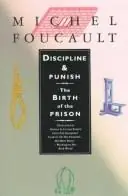
我真希望大家别老抓着《1984》不放,多引用引用福柯的《规训与惩罚》(Discipline & Punish)吧 [1]。社会中存在一个比大规模监控或警察军事化根深蒂固得多的问题。那就是:为什么我们所有人都在毫无抵抗地任由这一切发生?我们欣然接受甚至欢迎管束我们的人。福柯在六七十年代就写过了囚徒思维在社会中的影响。我们受到的奴役
I wish people would move beyond 1984 and quote more Foucault's Discipline & Punishment [1]. There is a much deeper-rooted problem in society than mass surveillance or militarization of police. It's the question of why we all let this happen without any resistance. We accept and welcome our controllers. Foucault wrote about the effects of prisoner mindset in society in the 1960-70s. Our subjugation
……我也觉得其他人是在故意故弄玄虚,但福柯绝不是。我给他的定位大概跟 Chomsky 本人一个水平——复杂深奥,甚至可能有错,但洞见深刻且极力追求清晰表达。《规训与惩罚》和《性史》篇幅都不长而且写得很清晰。福柯关于“权力”的核心观点是:人应该少关注那些冠冕堂皇的解释和借口,多关注实际发生的……
…agree that the others are intentionally obscurantist, but Foucault is not. I'd put him at about the level of Chomsky himself --- complicated, possibly wrong, but insightful and striving for clarity. "Discipline and Punishment" and "History of Sexuality" are short and clear. Foucault's basic idea of "power" is that one should pay less attention to the explanations and excuses that are given, and more attention to what actually…
多引用福柯的《规训与惩罚》 照 Keith Windschuttle 的《The Killing of History》(http://www.amazon.com/The-Killing-History-Theorists-Murderin... )一书所言,福柯的文风(可能是故意)晦涩难懂,而且他的历史知识往好里说也是站不住脚的。 那就是:为什么我们所有人都在毫无抵抗地任由这一切发生 因为这样省事啊,因为大部分时候这又影响不到
quote more Foucault's Discipline & Punishment Foucault's style is (possibly deliberately) obtuse, and his knowledge of history dubious at best, per Keith Windschuttle's book The Killing of History: http://www.amazon.com/The-Killing-History-Theorists-Murderin... . It's the question of why we all let this happen without any resistance Because it's easy, because most of the time it doesn't affect
……“科学”,同时保留了基督教“真、美、道德”等所有形而上学的包袱。这个观点出自尼采的《道德的谱系》,而在福柯的《规训与惩罚》(大多数人所谓的“后现代主义”里流传最广的一本书)中得到了进一步拓展。>实际上是真实的真理,是旧有意义上符合客观现实的真理。所谓“符合……
…"Science" while retaining all the metaphysical baggage of christianity "truth, beauty, morality," etc. This is from Nietzsche's Genealogy of Morals, the argument from which was expanded in Foucault's Discipline and Punishment (the most widely read book from what most people would call "postmodernism"). >truth that is actually true, true in the old sense of corresponding to the reality of what is The so-called "correspondence…
……被打开了……首先,你是在脑补/投射。其次,你年轻到第一次读《制造共识》时还在“年轻时代”,这一点毫不奇怪。第三,像《制造共识》和《规训与惩罚》这样的书主要属于社会学范畴。它们当然包含一些规范性内容,但主要目的还是解释世界是如何运转的。> 这叫“公关”(PR),大多数公司成天都在用……
…opened... First, you're projecting. Second, it's not at all surprising that you're young enough to have first read Manufacturing Consent when you were "young". Third, books like Manufacturing Consent and Discipline and Punishment are primarily sociological. They do have some normative content, of course, but their primary goal is to explain how the world works. > It's called 'PR', it's used all day, every day by most companies…