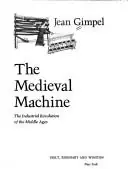
You have no idea. One of my favourite 70's quotes is from the quite brilliant book "The Medieval Machine" by the Anglo-French historian Jean Gimpel, published in 1976 (which really is a very good history of Medieval technology): "The economic depression that struck Europe in the fourteenth century was followed…
For a shorter read I recommend The Medieval Machine by Jean Gimpel. It's a bit old now but tells an interesting story, turns out there was a lot more industrial machinery in the 13th century than we tend to think.
…as the other way around). In the Middle Ages, technology developed more-or-less independently of science, often with quite astonishing results. An excellent book on the subject if Jean Gimpel's "The Medieval Machine", although the solemn declaration of the end of Western technological power makes the preface pretty hilarious reading, 35 years on: http://www.amazon.com/Medieval-Machine-Industrial-Revolution...
…早已不是什么秘密。中世纪其实并没有通常描绘的那么黑暗,如果对欧洲同期类似的技术发展感兴趣,我推荐读读让·甘佩尔的《中世纪机器》(The Medieval Machine,肯·福莱特写《圣殿春秋》时大量参考了该书)和大卫·兰德斯的《时间的革命》(A Revolution in Time)。
…is no secret. For those interested in comparable technical developments in Europe around the same time, for the middle ages were not as dark as usually portrayed, I recommend reading Jean Gimpel's The Medieval Machine (whom Ken Follett relied on extensively for "The Pillars of the Earth") and David Landes' A Revolution in Time.
…century was followed ultimately by economic and technological recovery. But the depression we have moved into will have no end. We can anticipate centuries of decline and exhaustion." - Jean Gimpel, The Medieval Machine, 1975
你根本想不到。我最喜欢的70年代名言之一,出自英法双籍历史学家让·甘佩尔(Jean Gimpel)1976年出版的绝妙好书《中世纪机器》(The Medieval Machine,这真是一部极佳的中世纪技术史):“十四世纪席卷欧洲的经济萧条随后…
You have no idea. One of my favourite 70's quotes is from the quite brilliant book "The Medieval Machine" by the Anglo-French historian Jean Gimpel, published in 1976 (which really is a very good history of Medieval technology): "The economic depression that struck Europe in the fourteenth century was followed…
想读篇幅短一点的话,我推荐让·甘佩尔的《中世纪机器》(The Medieval Machine)。虽然年头有点久了,但故事讲得很有意思,事实证明,13世纪的工业机械比我们通常以为的要多得多。
For a shorter read I recommend The Medieval Machine by Jean Gimpel. It's a bit old now but tells an interesting story, turns out there was a lot more industrial machinery in the 13th century than we tend to think.
…反之亦然)。在中世纪,技术的发展在很大程度上是独立于科学的,而且往往带来了令人惊叹的成果。关于这个主题有一本绝佳的书,就是让·甘佩尔的《中世纪机器》(The Medieval Machine),尽管时隔35年再看,前言里庄严宣布西方技术统治终结的那段论述显得相当滑稽可笑:http://www.amazon.com/Medieval-Machine-Industrial-Revolution...
…as the other way around). In the Middle Ages, technology developed more-or-less independently of science, often with quite astonishing results. An excellent book on the subject if Jean Gimpel's "The Medieval Machine", although the solemn declaration of the end of Western technological power makes the preface pretty hilarious reading, 35 years on: http://www.amazon.com/Medieval-Machine-Industrial-Revolution...
…早已不是什么秘密。中世纪其实并没有通常描绘的那么黑暗,如果对欧洲同期类似的技术发展感兴趣,我推荐读读让·甘佩尔的《中世纪机器》(The Medieval Machine,肯·福莱特写《圣殿春秋》时大量参考了该书)和大卫·兰德斯的《时间的革命》(A Revolution in Time)。
…is no secret. For those interested in comparable technical developments in Europe around the same time, for the middle ages were not as dark as usually portrayed, I recommend reading Jean Gimpel's The Medieval Machine (whom Ken Follett relied on extensively for "The Pillars of the Earth") and David Landes' A Revolution in Time.
…世纪之后,经济与技术最终迎来了复苏。但我们如今迈入的萧条将没有终点。我们可以预见长达几个世纪的衰落与耗竭。”——让·甘佩尔,《中世纪机器》,1975年
…century was followed ultimately by economic and technological recovery. But the depression we have moved into will have no end. We can anticipate centuries of decline and exhaustion." - Jean Gimpel, The Medieval Machine, 1975