I presume this is the same Nancy Leveson who wrote Safeware? If I could push one book on all engineers (and not just programmers as it goes over entire systems failures), let it be this, I recommend it to everyone. https://www.amazon.co.uk/Safeware-System-Safety-Computers-19...…
太棒了,我这就去看看,谢啦!其实刚扫了一眼 wiki 页面,就足够让我今天直接下单了。作为回报,我想安利 Nancy Leveson 写的这本牛到不行的巨作《Safeware》https://www.amazon.co.uk/Safeware-System-Safety-Computers-19...,怎么吹都不为过。据我所知(AFAICT),它针对的抽象层次比你那本书更低(更底层 = 较少涉及互联互通…
Excellent, will check it out, thank! Actually just looked at the wiki page, that's enough for me to order it today. In return may I offer this absolutely bitchin' tome Safeware by Nancy Leveson https://www.amazon.co.uk/Safeware-System-Safety-Computers-19... which I can't recommend enough. It's aimed at a lower level than your book AFAICT (lower level = less about interconnectedness…
这篇文章并不荒唐。Leveson 和 Hamilton 的著作明确涵盖了这一点。先从《Engineering a Safer World》的 Intent Specifications 看起,然后接着看《SafeWare》,再看看写正确的 TLA+ 规范要投入多少注意力。像“政府法规、不靠谱的硬件……”这样的清单,看起来很像所设想的层级控制系统中的上层……
The article's not silly. Leveson and Hamilton's works cover that explicitly. Start with Engineering a Safer World's Intent Specifications, move on to Safeware, and look at the attention that goes into writing the right TLA+ specs. Lists like "Government regulations, flaky hardware…" look a lot like the upper levels of the hierarchical control systems contemplated…
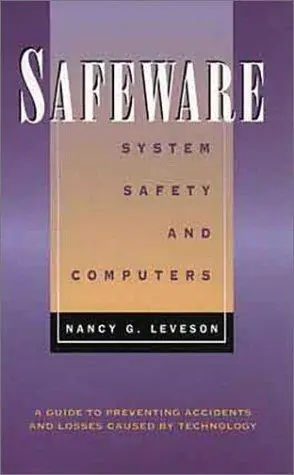
我猜这就是写《Safeware》的那个 Nancy Leveson 吧?如果让我向所有工程师(不只是程序员,因为它剖析的是整个系统层面的故障)安利一本书,绝对就是这本了,我向所有人推荐。https://www.amazon.co.uk/Safeware-System-Safety-Computers-19...…
I presume this is the same Nancy Leveson who wrote Safeware? If I could push one book on all engineers (and not just programmers as it goes over entire systems failures), let it be this, I recommend it to everyone. https://www.amazon.co.uk/Safeware-System-Safety-Computers-19...…
太棒了,我这就去看看,谢啦!其实刚扫了一眼 wiki 页面,就足够让我今天直接下单了。作为回报,我想安利 Nancy Leveson 写的这本牛到不行的巨作《Safeware》https://www.amazon.co.uk/Safeware-System-Safety-Computers-19...,怎么吹都不为过。据我所知(AFAICT),它针对的抽象层次比你那本书更低(更底层 = 较少涉及互联互通…
Excellent, will check it out, thank! Actually just looked at the wiki page, that's enough for me to order it today. In return may I offer this absolutely bitchin' tome Safeware by Nancy Leveson https://www.amazon.co.uk/Safeware-System-Safety-Computers-19... which I can't recommend enough. It's aimed at a lower level than your book AFAICT (lower level = less about interconnectedness…
就放个链接在这儿:https://www.amazon.com/Safeware-Computers-Nancy-G-Leveson/dp... 请注意,这本书已经有 30 年历史了!
Just going to leave this here: https://www.amazon.com/Safeware-Computers-Nancy-G-Leveson/dp... Note that this book is 30 years old!
Nancy Leveson 写的《Safeware》。
Safeware by Nancy Leveson.
这篇文章并不荒唐。Leveson 和 Hamilton 的著作明确涵盖了这一点。先从《Engineering a Safer World》的 Intent Specifications 看起,然后接着看《SafeWare》,再看看写正确的 TLA+ 规范要投入多少注意力。像“政府法规、不靠谱的硬件……”这样的清单,看起来很像所设想的层级控制系统中的上层……
The article's not silly. Leveson and Hamilton's works cover that explicitly. Start with Engineering a Safer World's Intent Specifications, move on to Safeware, and look at the attention that goes into writing the right TLA+ specs. Lists like "Government regulations, flaky hardware…" look a lot like the upper levels of the hierarchical control systems contemplated…
另见:《Safeware: System Safety and Computers》以及作者 Nancy Leveson 的工作成果:http://sunnyday.mit.edu/
Also see: "Safeware: System Safety and Computers" and the work of the author, Nancy Leveson: http://sunnyday.mit.edu/