……深度:- Maurice Bach 写的《The Design of the UNIX Operating System》(1986)- McKusick、Neville-Neil 和 Watson 写的《The Design and Implementation of the FreeBSD Operating System》第 2 版(2014)- Uresh Vahalia 写的《UNIX Internals: The New Frontiers》(1996)(注意,这本书讲的是 1996 年那个时代主流的 Unix 变种的实现)
…depth: - The Design of the UNIX Operating System by Maurice Bach (1986) - The Design and Implementation of the FreeBSD Operating System, 2nd Edition by McKusick, Neville-Neil, and Watson (2014) - UNIX Internals: The New Frontiers by Uresh Vahalia (1996) (note that this book covers the implementations of Unix variants that were contemporary in 1996)
在回复关于 ZFS/FreeBSD VFS 的帖子 [1] 时,我突然在想,现在有没有一本现代的 Unix 内核(教材)书籍,其广度和深度能媲美那本极好的《Unix Internals: The New Frontiers》[2]?Vahalia 本来计划出第二版的,但一直没下文。考虑到现在的 Unix 种类变少了(哪怕安装量多了很多),……
In a response to the ZFS/FreeBSD VFS thread [1], I got to wondering, is there a modern (text)book on Unix internals, similar in scope to the excellent Unix Internals: The New Frontiers [2]? The Vahalia was scheduled for a second revision, but it never happened. Given that there are now fewer Unixes (if many more copies),…
If you want to learn how operating systems work, you need very, very little computer science and math. A book such as “UNIX Internals” (https://www.amazon.com/UNIX-Internals-Frontiers-Uresh-Vahali...) should be a good start (just quickly browsed it. It seems it’s 100% free of formulas, supporting my claim you need very little math)…
Although it's not a book, the Linux documentation [1] is actually very good and does the job of explaining design and architecture of the kernel. I'd also suggest reading "Unix Internals" by Uresh Vahalia. While this book is from 1995 and it doesn't cover Linux specifically, it's an exceptional resource for understanding how *nix kernels work in general. [1] https://docs.kernel.org/
我记得当年读那些书的时候(好吧,我看的是 4.3 BSD 版而不是 4.4),是配合着 Bach 的《The Design of the Unix Operating System》以及 Uresh Vahalia 的《UNIX internals: the new frontiers》(1996)一起读的。我推荐《UNIX internals》。它写得极好,只是不如其他几本出名。
I remember reading those books (ok, it was the 4.3 BSD edition instead of 4.4) alongside Bach's "The Design of the Unix Operating System" and Uresh Vahalia's "UNIX internals: the new frontiers" (1996). I recommend "UNIX internals". It's very good and not as well known as the others.
……配合数论、组合数学等方面的学习一起读绝对大有裨益)《Anatomy of Lisp》。《The Art of the Metaobject Protocol》。《Out of the Inner Circle》。《The Soul of a New Machine》。《Unix Internals: The New Frontiers》。《Effective C++》。《SICP》。最近我还发现 C# 的规范文档让人欲罢不能。读起来很轻松,而且几乎每个小节都让我思考他们为什么要选择用不同的方式去做……
…definitely helps to read this in parallel with a study in number theory, combinatorics, etc) Anatomy of Lisp. The art of the meta-object protocol. Out of the inner circle. The Soul of a new Machine. Unix Internals, the new frontiers. Effective C++. SICP. More recently, I found the C# specification a page turner. Easy to read, and almost every section made me think about why they chose to do things different…
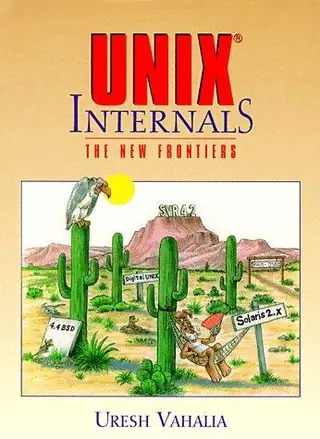
……深度:- Maurice Bach 写的《The Design of the UNIX Operating System》(1986)- McKusick、Neville-Neil 和 Watson 写的《The Design and Implementation of the FreeBSD Operating System》第 2 版(2014)- Uresh Vahalia 写的《UNIX Internals: The New Frontiers》(1996)(注意,这本书讲的是 1996 年那个时代主流的 Unix 变种的实现)
…depth: - The Design of the UNIX Operating System by Maurice Bach (1986) - The Design and Implementation of the FreeBSD Operating System, 2nd Edition by McKusick, Neville-Neil, and Watson (2014) - UNIX Internals: The New Frontiers by Uresh Vahalia (1996) (note that this book covers the implementations of Unix variants that were contemporary in 1996)
在回复关于 ZFS/FreeBSD VFS 的帖子 [1] 时,我突然在想,现在有没有一本现代的 Unix 内核(教材)书籍,其广度和深度能媲美那本极好的《Unix Internals: The New Frontiers》[2]?Vahalia 本来计划出第二版的,但一直没下文。考虑到现在的 Unix 种类变少了(哪怕安装量多了很多),……
In a response to the ZFS/FreeBSD VFS thread [1], I got to wondering, is there a modern (text)book on Unix internals, similar in scope to the excellent Unix Internals: The New Frontiers [2]? The Vahalia was scheduled for a second revision, but it never happened. Given that there are now fewer Unixes (if many more copies),…
如果你想学习操作系统的运作原理,你其实只需要极少极少的计算机科学和数学知识。像《UNIX Internals》(https://www.amazon.com/UNIX-Internals-Frontiers-Uresh-Vahali...)这样的书应该是个不错的起点(刚快速翻了翻,里面似乎完全没有公式,印证了我的说法:你几乎不需要懂什么数学)……
If you want to learn how operating systems work, you need very, very little computer science and math. A book such as “UNIX Internals” (https://www.amazon.com/UNIX-Internals-Frontiers-Uresh-Vahali...) should be a good start (just quickly browsed it. It seems it’s 100% free of formulas, supporting my claim you need very little math)…
虽然不是一本书,但 Linux 文档 [1] 实际上非常优秀,很好地解释了内核的设计和架构。我还建议读读 Uresh Vahalia 写的《Unix Internals》。虽然这本书是 1995 年出的而且并没有专门讲 Linux,但它是理解 *nix 内核通用运作机制的绝佳资源。[1] https://docs.kernel.org/
Although it's not a book, the Linux documentation [1] is actually very good and does the job of explaining design and architecture of the kernel. I'd also suggest reading "Unix Internals" by Uresh Vahalia. While this book is from 1995 and it doesn't cover Linux specifically, it's an exceptional resource for understanding how *nix kernels work in general. [1] https://docs.kernel.org/
我记得当年读那些书的时候(好吧,我看的是 4.3 BSD 版而不是 4.4),是配合着 Bach 的《The Design of the Unix Operating System》以及 Uresh Vahalia 的《UNIX internals: the new frontiers》(1996)一起读的。我推荐《UNIX internals》。它写得极好,只是不如其他几本出名。
I remember reading those books (ok, it was the 4.3 BSD edition instead of 4.4) alongside Bach's "The Design of the Unix Operating System" and Uresh Vahalia's "UNIX internals: the new frontiers" (1996). I recommend "UNIX internals". It's very good and not as well known as the others.
……配合数论、组合数学等方面的学习一起读绝对大有裨益)《Anatomy of Lisp》。《The Art of the Metaobject Protocol》。《Out of the Inner Circle》。《The Soul of a New Machine》。《Unix Internals: The New Frontiers》。《Effective C++》。《SICP》。最近我还发现 C# 的规范文档让人欲罢不能。读起来很轻松,而且几乎每个小节都让我思考他们为什么要选择用不同的方式去做……
…definitely helps to read this in parallel with a study in number theory, combinatorics, etc) Anatomy of Lisp. The art of the meta-object protocol. Out of the inner circle. The Soul of a new Machine. Unix Internals, the new frontiers. Effective C++. SICP. More recently, I found the C# specification a page turner. Easy to read, and almost every section made me think about why they chose to do things different…