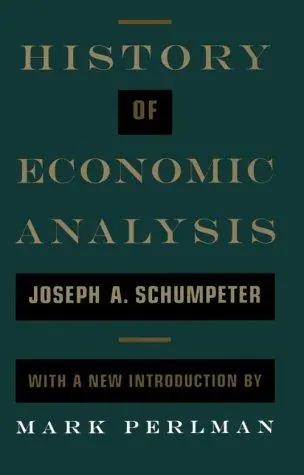
经济分析史
History of Economic Analysis
Joseph Alois Schumpeter、Elizabeth Boody Schumpeter · 初版 1954 年
1人推荐
3位读者提及
4次提及
“1950年逝世时,20世纪上半叶最伟大的经济学家之一约瑟夫·熊彼特正致力于其不朽名著 History of Economic Analysis 的写作。本书全面梳理了从古希腊至今人类理解经济学这一学科的探索历程,不仅对经济学,也对思想史做出了重大贡献。尽管未竟全功,但因其广博的视野和对重大历史事件的独到考察,已被公认为现代经典著作。”“本书附有 Mark Perlman 撰写的全新导言,概述了
Hacker News 上怎么说
正在加载完整评论……
……严重偏向新古典经济学,完全没有涉及基于计算模型的经济学——具体说是微观经济学,而这构成了当今经济学教育的大部分内容:熊彼特 - 《经济分析史》 亚当·斯密 - 《道德情操论》 凯恩斯 - 《就业、利息和货币通论》 马克思 - 《资本论》 本杰明·格雷厄姆 - 《聪明的投资者》 加尔布雷斯 - 《丰裕社会》 加尔布雷斯……
…weighted heavily toward neo-classical economics and does not get into computational model based economics - specifically microeconomics, which comprises the bulk of economics education today: Schumpeter - History of economic analysis Adam Smith - Theory of Moral Sentiments Kaynes - The General Theory of Employment, Interest and Money Marx - Capital Benjamin Graham - The Intelligent Investor Galbraith - The Affluent Society Galbraith…
……别人,并引用他们的话。” > 此外,索维尔指出:“即使在最卷帙浩繁的经济理论学术研究中,也找不到‘滴漏理论’——包括J.A. 熊彼特长达千余页、字号极小的大部头《经济分析史》。”这里并非对眼下的经济问题下定论,只是想说明“滴漏经济学”根本不是任何严肃学者真正持有的……
…somebody else and quote them.” > Further, Sowell notes: “The ‘trickle-down’ theory cannot be found in even the most voluminous scholarly studies of economic theories — including J.A. Schumpeter’s monumental History of Economic Analysis, more than a thousand pages long and printed in very small type.” No judgement implied on the economic matters at hand. Just on the matter that 'trickle down economics' is not a position actually held…
我是一名程序员,最近开始读熊彼特的《经济分析史》,但我觉得就算是熊彼特这样的人物,也解释不了为什么在2019年的某个时候会有超过17万亿美元的资金处于负利率状态(而且我不觉得这个数字后来减少了多少)。
I'm a computer programmer that has started reading Schumpeter's "History of economic analysis", but I think not even a guy like Schumpeter could have explained why at some point in 2019 more than $17 trillion were returning negative rates (and I don't think that sum has decreased by all that much).
……相当酷的概念,从90年代开始几乎完全被人遗忘了,但现在正在小幅复兴(我自己的“重新发现”过程是先在熊彼特的《经济分析史》里读到它,然后又去翻了70年代某本苏联出版的经济学词典)。
…quite cool concept that had been almost completely forgotten starting with the '90s but which now is having a small resurgence (I've "re-discovered" it myself by first reading about it in Schumpeter's History of Economic Analysis and then by going through a Soviet dictionary of economics published sometime in the '70s).