……(在我看来)优势在于它更通俗易懂,通过 borrow 最常见的效果来描述它:是否 mutate。我不知道哪种选择才是对的,但我完全能接受现在的做法。Mara Bos 的《Rust Atomics and Locks》在书的前半部分对这些观点进行了非常精彩的讨论,而且具体、务实地解释了术语的选择,对此我非常欣赏。
…benefit of (IMO) being more accessible by describing borrows in terms of the most common effect: to mutate or not. I don't know which choice would have been the right one, but I am at peace with it. "Rust Atomics and Locks" by Mara Bos has a great discussion of these points toward the beginning of her book, and specifically grounds the choice of which terminology to use in concrete and practical terms, which I really appreciated.
1. Program = Proof by Samuel Mimram Math foundation of programming. Church–Rosser theorem, Curry–Howard correspondence, intuitionistic logic, theorem proving with dependent types, etc. 2. Rust Atomics and Locks: Low-Level Concurrency in Practice by Mara Bos Great introduction even for non-Rust programmers. 3. Statistical Consequences of Fat Tails by N. Taleb et al. I've just started to read it, but looks…
这是一本非常通俗易懂、但又极其详尽的硬核话题入门书。真希望我刚接触这块时就有它。对我来说另一个很好的资源是 Mara Bos 的书《Rust Atomics and Locks》。它主要是一本 Rust 书,但我发现书中对 memory ordering 简洁明了、直击核心的解释真的太有帮助了。
This is a very approachable, yet detailed, introduction to a difficult topic. I wish I had it when I first got into this. Another good resource for me was Mara Bos' book "Rust Atomics and Locks". It is primarily a Rust book , but I found the concise and reduced to the essentials explanations of memory ordering really helpful.
Mara Bos 写的《Rust Atomics and Locks》(https://mara.nl/atomics/)是一本非常好的书,而且在网上可以免费看。它确实要求你至少懂一点基础的 Rust,但它把事情讲得极其透彻。
Rust Atomics and Locks by Mara Bors (https://mara.nl/atomics/) is a very good book and available for free online. It does require knowing Rust at least in a basic level, but it explains things very well.
Paul E. McKenney 写的序言给出了读这本书的绝佳理由,哪怕你压根不关心 Rust:
> 这就引出了另一类潜在读者——Rust 怀疑论者。我确实相信,大多数 Rust 怀疑论者通过指出可改进之处,为社区提供了宝贵的服务;但除了最精通 Rust 的怀疑论者之外,所有怀疑论者都能从读这本书中获益。
The foreword by Paul E. McKenney makes a great case to read this book even if you don't care about Rust at all:
> Which brings us to another group of potential readers, the Rust skeptics. While I do believe that most Rust skeptics are doing the community a valuable service by pointing out opportunities for improvement, all but the most Rust-savvy of skeptics would benefit from reading this book.
感谢把这些参考资料都贴出来!
我对其中很多话题也是新手,但最近读了《Rust Atomics and Locks》,对我的理解帮助挺大——至少让我读这个帖子里的讨论时不至于溺水。例子是用 Rust 写的,但概念是内核/CPU 层面的,超越了语言本身。推荐。
https://marabos.nl/atomics/
Thanks for linking all these references!
I’m also new to a lot of these topics but recently read Rust Atomics and Locks which has helped my understanding quite a bit - at least keeping me above water reading all the discussion in this post. The examples are in Rust but the concepts are at the kernel/cpu level and apply beyond the language. I recommend it.
https://marabos.nl/atomics/
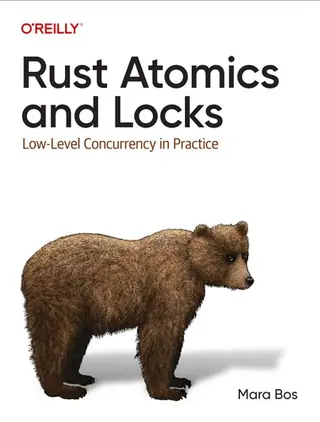
……(在我看来)优势在于它更通俗易懂,通过 borrow 最常见的效果来描述它:是否 mutate。我不知道哪种选择才是对的,但我完全能接受现在的做法。Mara Bos 的《Rust Atomics and Locks》在书的前半部分对这些观点进行了非常精彩的讨论,而且具体、务实地解释了术语的选择,对此我非常欣赏。
…benefit of (IMO) being more accessible by describing borrows in terms of the most common effect: to mutate or not. I don't know which choice would have been the right one, but I am at peace with it. "Rust Atomics and Locks" by Mara Bos has a great discussion of these points toward the beginning of her book, and specifically grounds the choice of which terminology to use in concrete and practical terms, which I really appreciated.
1. 《Program = Proof》,Samuel Mimram 著。编程的数学基础。Church–Rosser 定理、Curry–Howard 对应、直觉主义逻辑、基于 dependent types 的定理证明等。 2. 《Rust Atomics and Locks: Low-Level Concurrency in Practice》,Mara Bos 著。即使对非 Rust 程序员来说也是绝佳的入门书。 3. 《Statistical Consequences of Fat Tails》,N. Taleb 等人著。我刚开始读,但看起来……
1. Program = Proof by Samuel Mimram Math foundation of programming. Church–Rosser theorem, Curry–Howard correspondence, intuitionistic logic, theorem proving with dependent types, etc. 2. Rust Atomics and Locks: Low-Level Concurrency in Practice by Mara Bos Great introduction even for non-Rust programmers. 3. Statistical Consequences of Fat Tails by N. Taleb et al. I've just started to read it, but looks…
这是一本非常通俗易懂、但又极其详尽的硬核话题入门书。真希望我刚接触这块时就有它。对我来说另一个很好的资源是 Mara Bos 的书《Rust Atomics and Locks》。它主要是一本 Rust 书,但我发现书中对 memory ordering 简洁明了、直击核心的解释真的太有帮助了。
This is a very approachable, yet detailed, introduction to a difficult topic. I wish I had it when I first got into this. Another good resource for me was Mara Bos' book "Rust Atomics and Locks". It is primarily a Rust book , but I found the concise and reduced to the essentials explanations of memory ordering really helpful.
Mara Bos 写的《Rust Atomics and Locks》(https://mara.nl/atomics/)是一本非常好的书,而且在网上可以免费看。它确实要求你至少懂一点基础的 Rust,但它把事情讲得极其透彻。
Rust Atomics and Locks by Mara Bors (https://mara.nl/atomics/) is a very good book and available for free online. It does require knowing Rust at least in a basic level, but it explains things very well.
Paul E. McKenney 写的序言给出了读这本书的绝佳理由,哪怕你压根不关心 Rust: > 这就引出了另一类潜在读者——Rust 怀疑论者。我确实相信,大多数 Rust 怀疑论者通过指出可改进之处,为社区提供了宝贵的服务;但除了最精通 Rust 的怀疑论者之外,所有怀疑论者都能从读这本书中获益。
The foreword by Paul E. McKenney makes a great case to read this book even if you don't care about Rust at all: > Which brings us to another group of potential readers, the Rust skeptics. While I do believe that most Rust skeptics are doing the community a valuable service by pointing out opportunities for improvement, all but the most Rust-savvy of skeptics would benefit from reading this book.
感谢把这些参考资料都贴出来! 我对其中很多话题也是新手,但最近读了《Rust Atomics and Locks》,对我的理解帮助挺大——至少让我读这个帖子里的讨论时不至于溺水。例子是用 Rust 写的,但概念是内核/CPU 层面的,超越了语言本身。推荐。 https://marabos.nl/atomics/
Thanks for linking all these references! I’m also new to a lot of these topics but recently read Rust Atomics and Locks which has helped my understanding quite a bit - at least keeping me above water reading all the discussion in this post. The examples are in Rust but the concepts are at the kernel/cpu level and apply beyond the language. I recommend it. https://marabos.nl/atomics/