排队论(Queueing theory)是运筹学(Operations Research)里的一大核心课题。如果你想找一本讲得透彻的书,Thompson 等人写的《Fundamentals of Queueing Theory》绝对是圣经级别的。顺便补充两点想法:像这样合并队列(pooling queues)只有在处理不同类型任务的切换成本很低时才管用。所以在杂货店这种场景下……
Queueing theory is a prominent topic in Operations Research. If you want to read a detailed book on it, Fundamentals of Queueing theory by Thompson et al is the bible. A couple of additional thoughts, pooling queues like this only works if the changeover time to process different types of things is low. So in the case of a grocery store…
+1 上面提到的那本书,尤其是如果你是搞计算机系统/网络的话。想要更偏实用落地的讲解,我觉得《Fundamentals of Queueing Theory》[1] 真的很棒。[1] http://mason.gmu.edu/~jshortle/fqt5th.html
+1 For the above mentioned book, especially if you are looking at computer systems/networks. For more pragmatic treatment found "Fundamentals of Queueing Theory"[1] really good. [1] http://mason.gmu.edu/~jshortle/fqt5th.html
我参考的是 Gross、Shortle、Thompson 和 Harris 写的《Fundamentals of Queueing Theory》。不过只看维基百科也够用了。就核心思想来说这玩意儿相对很简单,把排队论入门前 100 页的内容自己从头推导一遍纯属吃力不讨好的反模式……
I refer to Fundamentals of Queueing Theory by Gross, Shortle, Thompson & Harris. Although Wikipedia is enough. As far as insights go the topic is relatively simple, it is just bad practice to be re-deriving the first 100 pages of an intro-to-queueing…
……总之吧。不过说到 CPU 利用率,出于很多原因,生产环境下的数值无论如何都不应该超过 40%。在 40% 的时候通常还能留有一点余量(headroom)。作者犯的错误就是没用排队论的基础原理(fundamentals of queueing theory)来避开高利用率!
…anyway. In the case of CPU utilisation, though, the number in production shouldn't go above 40 % for many reasons. At 40 % there's usually still a little headroom. The mistake of the author was not using fundamentals of queueing theory to avoid high utilisation!
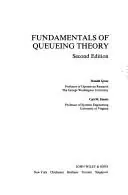
排队论(Queueing theory)是运筹学(Operations Research)里的一大核心课题。如果你想找一本讲得透彻的书,Thompson 等人写的《Fundamentals of Queueing Theory》绝对是圣经级别的。顺便补充两点想法:像这样合并队列(pooling queues)只有在处理不同类型任务的切换成本很低时才管用。所以在杂货店这种场景下……
Queueing theory is a prominent topic in Operations Research. If you want to read a detailed book on it, Fundamentals of Queueing theory by Thompson et al is the bible. A couple of additional thoughts, pooling queues like this only works if the changeover time to process different types of things is low. So in the case of a grocery store…
+1 上面提到的那本书,尤其是如果你是搞计算机系统/网络的话。想要更偏实用落地的讲解,我觉得《Fundamentals of Queueing Theory》[1] 真的很棒。[1] http://mason.gmu.edu/~jshortle/fqt5th.html
+1 For the above mentioned book, especially if you are looking at computer systems/networks. For more pragmatic treatment found "Fundamentals of Queueing Theory"[1] really good. [1] http://mason.gmu.edu/~jshortle/fqt5th.html
我参考的是 Gross、Shortle、Thompson 和 Harris 写的《Fundamentals of Queueing Theory》。不过只看维基百科也够用了。就核心思想来说这玩意儿相对很简单,把排队论入门前 100 页的内容自己从头推导一遍纯属吃力不讨好的反模式……
I refer to Fundamentals of Queueing Theory by Gross, Shortle, Thompson & Harris. Although Wikipedia is enough. As far as insights go the topic is relatively simple, it is just bad practice to be re-deriving the first 100 pages of an intro-to-queueing…
……总之吧。不过说到 CPU 利用率,出于很多原因,生产环境下的数值无论如何都不应该超过 40%。在 40% 的时候通常还能留有一点余量(headroom)。作者犯的错误就是没用排队论的基础原理(fundamentals of queueing theory)来避开高利用率!
…anyway. In the case of CPU utilisation, though, the number in production shouldn't go above 40 % for many reasons. At 40 % there's usually still a little headroom. The mistake of the author was not using fundamentals of queueing theory to avoid high utilisation!