这是一个极其主观的问题。我带有极大的个人偏见,我个人更推崇:布赖恩·马吉(Bryan Magee)关于叔本华的书;弗雷德里克·拜塞尔(Frederick Beiser)的《德国唯心主义》(German Idealism)/《理性的命运》(The Fate of Reason);格伦·马吉(Glenn Magee)的《黑格尔与赫尔墨斯传统》(Hegel and the Hermetic Tradition);艾利森(Allison)的《康德的先验唯心主义:诠释与辩护》(Kant's Transcendental Idealism: An Interpretation and Defense);约翰·库珀(John Cooper)编的《柏拉图全集》(Plato: Complete Works)……
This is an extremely personal question. I have extreme biases, I personally favour: Bryan Magee's book on Schopenhauer. German Idealism/The Fate of reason by Fredrick Beiser. Hegel and the Hermetic Tradition by Glenn Magee Kant's Transcendental Idealism: An Interpretation and Defense by Allison Plato: Complete Works by John Cooper…
Take a look at Frederick Beiser's works on Hegel & German Idealism overall, as he's very clear and competent about this whole period of German philosophy: https://en.wikipedia.org/wiki/Frederick_C._Beiser#Works Also, it's much easier to start with Hegel's lectures…
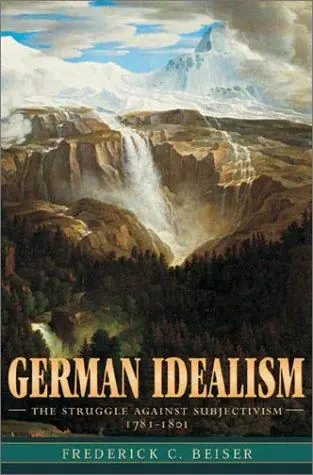
……读点谢林:在读了几本薄薄的谢林之后,我发现费希特瞬间没那么晦涩了。虽然读完有一阵子了,但在我看来,保罗·拜塞尔在《德国唯心主义:反抗主观主义的斗争,1781-1801》(German Idealism: The Struggle Against Subjectivism, 1781-1801)中对费希特的阐述非常值得一读。[编辑:补上了不小心漏掉的“你”。]
…some Schelling: I found Fichte a lot less opaque after reading a couple of short volumes of Schelling. It has been a while since I read it, but it seems to me that Paul Beiser's account of Fichte in German Idealism: The Struggle Against Subjectivism, 1781-1801 was worth reading. [Edit: added inadvertently omitted "you".]
Not the user you replied to, but there's no harm (and in my judgement great benefit) from diving right into Kant, or more generally, German idealism - so Kant, Fichte, Schelling and Hegel. Marx is also worth visiting for his "Hegelian" materialism (in this case opposed to idealism). That'll provide the basics to know what Foucault was talking about.…
The KantBot described in the article is a fascinating character. I didn't quite get the joke on how Trump's victory presaged the completion of German Idealism, but I could not help but look up his reading list for these troubled young men [1], which overflows with learnedness, so I think it would appeal to HN readers interested in liberal arts. [1] https://autisticmercury.com/2017/02/25/kantbots-critical-for...
…system that come about with almost mechanical regularity. In any case, I don't remember Marx ever being either an academic, or particularly hard to read in most cases, even if a thorough familiarity with German Idealism is a great help to understanding him more deeply. Even Foucault was technically an academic, but only because he helped organize a nearly successful revolutionary movement that managed to extract the…
这是一个极其主观的问题。我带有极大的个人偏见,我个人更推崇:布赖恩·马吉(Bryan Magee)关于叔本华的书;弗雷德里克·拜塞尔(Frederick Beiser)的《德国唯心主义》(German Idealism)/《理性的命运》(The Fate of Reason);格伦·马吉(Glenn Magee)的《黑格尔与赫尔墨斯传统》(Hegel and the Hermetic Tradition);艾利森(Allison)的《康德的先验唯心主义:诠释与辩护》(Kant's Transcendental Idealism: An Interpretation and Defense);约翰·库珀(John Cooper)编的《柏拉图全集》(Plato: Complete Works)……
This is an extremely personal question. I have extreme biases, I personally favour: Bryan Magee's book on Schopenhauer. German Idealism/The Fate of reason by Fredrick Beiser. Hegel and the Hermetic Tradition by Glenn Magee Kant's Transcendental Idealism: An Interpretation and Defense by Allison Plato: Complete Works by John Cooper…
可以看看弗雷德里克·拜塞尔(Frederick Beiser)关于黑格尔以及整个德国唯心主义(German Idealism)的著作,他对德国哲学的这一整个时期梳理得非常清晰且功力深厚:https://en.wikipedia.org/wiki/Frederick_C._Beiser#Works 另外,从黑格尔的讲演录入手要容易得多……
Take a look at Frederick Beiser's works on Hegel & German Idealism overall, as he's very clear and competent about this whole period of German philosophy: https://en.wikipedia.org/wiki/Frederick_C._Beiser#Works Also, it's much easier to start with Hegel's lectures…
……读点谢林:在读了几本薄薄的谢林之后,我发现费希特瞬间没那么晦涩了。虽然读完有一阵子了,但在我看来,保罗·拜塞尔在《德国唯心主义:反抗主观主义的斗争,1781-1801》(German Idealism: The Struggle Against Subjectivism, 1781-1801)中对费希特的阐述非常值得一读。[编辑:补上了不小心漏掉的“你”。]
…some Schelling: I found Fichte a lot less opaque after reading a couple of short volumes of Schelling. It has been a while since I read it, but it seems to me that Paul Beiser's account of Fichte in German Idealism: The Struggle Against Subjectivism, 1781-1801 was worth reading. [Edit: added inadvertently omitted "you".]
我虽然不是你回复的那位层主,但直接啃康德,或者更宽泛地说啃德国唯心主义(German Idealism)——也就是康德、费希特、谢林和黑格尔——百利而无一害(在我看来是大有裨益)。马克思的“黑格尔式”唯物主义(在这里是与唯心主义相对立的)也很值得一读。搞懂这些,你就能掌握理解福柯到底在讲些什么的基础门槛。……
Not the user you replied to, but there's no harm (and in my judgement great benefit) from diving right into Kant, or more generally, German idealism - so Kant, Fichte, Schelling and Hegel. Marx is also worth visiting for his "Hegelian" materialism (in this case opposed to idealism). That'll provide the basics to know what Foucault was talking about.…
文章里描写的那个 KantBot 是个极具魅力的人物。我没太get到特朗普胜选如何预示着德国唯心主义的终极完成这个梗,但我忍不住去搜了他为那些迷茫年轻人开出的书单[1],满纸都是饱学之气,所以我猜想对文科感兴趣的 HN 读者应该会很喜欢。[1] https://autisticmercury.com/2017/02/25/kantbots-critical-for...
The KantBot described in the article is a fascinating character. I didn't quite get the joke on how Trump's victory presaged the completion of German Idealism, but I could not help but look up his reading list for these troubled young men [1], which overflows with learnedness, so I think it would appeal to HN readers interested in liberal arts. [1] https://autisticmercury.com/2017/02/25/kantbots-critical-for...
……几乎带有机械般规律性出现的系统。无论如何,在我的记忆中马克思既算不上传统学院派,在大多数情况下也并不算特别难读,哪怕对德国唯心主义的透彻了解对更深入地理解他大有裨益。就连福柯在严格意义上也是个学者,但这仅仅是因为他曾协助组织过一场几乎成功的革命运动,成功争取到了……
…system that come about with almost mechanical regularity. In any case, I don't remember Marx ever being either an academic, or particularly hard to read in most cases, even if a thorough familiarity with German Idealism is a great help to understanding him more deeply. Even Foucault was technically an academic, but only because he helped organize a nearly successful revolutionary movement that managed to extract the…