读这篇文章时,让我联想到了我最近读过的另一本书:杰森·希克尔的《Less Is More》,我很推荐。文章里的很多主题(比如圈地)在那本书里都有涉及,而且得出了互为补充的结论。
Reading this, I was getting vibes from another book I read recently: "Less Is More" by Jason Hickel, which I can recommend. A lot of the topics in this article like enclosure are covered in the book, with complementary conclusions drawn.
大约一年前,我偶然接触到了去增长(degrowth)的概念,随后就买了杰森·希克尔的书《Degrowth: Less is More》。给不熟悉这个词的人解释一下:“经济的无限扩张从根本上与有限的地球边界相矛盾”。[1] HN上之前也有一些帖子提到了……
About a year ago I stumbled upon the degrowth concept and subsequently picked up the book "Degrowth: Less is More" by Jason Hickel. For those unfamiliar with the term: "an infinite expansion of the economy is fundamentally contradictory to finite planetary boundaries".[1] There's been some of HN posts mentioning…
如果有人想进一步了解去增长的视角,以及对公共公地(public commons)的投资如何能成为一个有说服力的解决方案,我强烈推荐杰森·希克尔的作品,特别是他的书《Less is More》。如果你想看深度剖析,我刚读完托马斯·皮凯蒂的《资本与意识形态》,对书中详尽的历史论述印象非常深刻。https://www.jasonhickel.org/less-is-more…
For those interested in learning more about the agrowth perspective, and how investment in public commons can be a convincing solution I highly recommend Jason Hickel's work, specifically his book "Less is More". If you want the deep dive treatment I've just finished Thomas Piketty's "Capital and Ideology" and was very impressed with the thorough historical treatment. https://www.jasonhickel.org/less-is-more…
……生活,但它也没有忽视那些极度挥霍浪费的国家/生活方式可能需要做出改变。希克尔和其他写去增长的学者在这些定义上大多表达得非常清楚(《Less is More》在这方面更是极其详尽),但显然你得读得比表面更深一层才能领会其中的细节。我这么说绝不是在讽刺你,或者暗示你不想去……
…lives, but it does also not ignore that particularly wasteful nations/lifestyles may need to live differently. Hickel and others who write on degrowth are mostly very clear about these definitions (and Less is More is exceedingly thorough on the matter), but obviously you have to read past the surface level to pick up some of the detail. That's not meant as a dig at you or to imply that you're not willing to do…
最近读了很多关于这方面的书,一方面让人心情沉重,但另一方面,感觉这是必须迈出的第一步。最近一本很有意思的书:杰森·希克尔的《Less is More》https://www.jasonhickel.org/less-is-more——如果我们不找到办法摆脱对永久经济增长的执念,所有的技术手段等都无济于事。
Reading a lot about it, which is harrowing on the one hand. On the other, it feels like a necessary first step. Recent interesting book: Less is More by Jason Hickel https://www.jasonhickel.org/less-is-more - all technological measures etc. will not help if we don‘t also find a way to get rid of the obsession with permanent economic growth.
杰森·希克尔的《Less is More》和JB·麦金农的《The Day the World Stops Shopping》,解释了资本主义的真实面貌,以及为什么我们效率更高了却永远无法减少工作,为什么工资一直停滞不前,以及……
Less is More by Jason Hickel and The Day the World Stops Shopping by JB MacKinnon to explain the true state of capitalism and why we never can work less despite being more productive, why wages have stagnated, and…
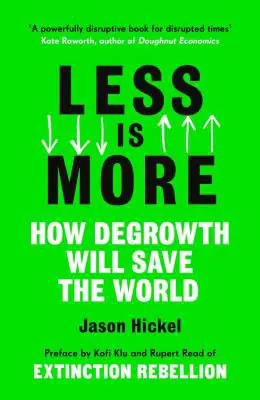
读这篇文章时,让我联想到了我最近读过的另一本书:杰森·希克尔的《Less Is More》,我很推荐。文章里的很多主题(比如圈地)在那本书里都有涉及,而且得出了互为补充的结论。
Reading this, I was getting vibes from another book I read recently: "Less Is More" by Jason Hickel, which I can recommend. A lot of the topics in this article like enclosure are covered in the book, with complementary conclusions drawn.
大约一年前,我偶然接触到了去增长(degrowth)的概念,随后就买了杰森·希克尔的书《Degrowth: Less is More》。给不熟悉这个词的人解释一下:“经济的无限扩张从根本上与有限的地球边界相矛盾”。[1] HN上之前也有一些帖子提到了……
About a year ago I stumbled upon the degrowth concept and subsequently picked up the book "Degrowth: Less is More" by Jason Hickel. For those unfamiliar with the term: "an infinite expansion of the economy is fundamentally contradictory to finite planetary boundaries".[1] There's been some of HN posts mentioning…
如果有人想进一步了解去增长的视角,以及对公共公地(public commons)的投资如何能成为一个有说服力的解决方案,我强烈推荐杰森·希克尔的作品,特别是他的书《Less is More》。如果你想看深度剖析,我刚读完托马斯·皮凯蒂的《资本与意识形态》,对书中详尽的历史论述印象非常深刻。https://www.jasonhickel.org/less-is-more…
For those interested in learning more about the agrowth perspective, and how investment in public commons can be a convincing solution I highly recommend Jason Hickel's work, specifically his book "Less is More". If you want the deep dive treatment I've just finished Thomas Piketty's "Capital and Ideology" and was very impressed with the thorough historical treatment. https://www.jasonhickel.org/less-is-more…
……生活,但它也没有忽视那些极度挥霍浪费的国家/生活方式可能需要做出改变。希克尔和其他写去增长的学者在这些定义上大多表达得非常清楚(《Less is More》在这方面更是极其详尽),但显然你得读得比表面更深一层才能领会其中的细节。我这么说绝不是在讽刺你,或者暗示你不想去……
…lives, but it does also not ignore that particularly wasteful nations/lifestyles may need to live differently. Hickel and others who write on degrowth are mostly very clear about these definitions (and Less is More is exceedingly thorough on the matter), but obviously you have to read past the surface level to pick up some of the detail. That's not meant as a dig at you or to imply that you're not willing to do…
最近读了很多关于这方面的书,一方面让人心情沉重,但另一方面,感觉这是必须迈出的第一步。最近一本很有意思的书:杰森·希克尔的《Less is More》https://www.jasonhickel.org/less-is-more——如果我们不找到办法摆脱对永久经济增长的执念,所有的技术手段等都无济于事。
Reading a lot about it, which is harrowing on the one hand. On the other, it feels like a necessary first step. Recent interesting book: Less is More by Jason Hickel https://www.jasonhickel.org/less-is-more - all technological measures etc. will not help if we don‘t also find a way to get rid of the obsession with permanent economic growth.
杰森·希克尔的《Less is More》和JB·麦金农的《The Day the World Stops Shopping》,解释了资本主义的真实面貌,以及为什么我们效率更高了却永远无法减少工作,为什么工资一直停滞不前,以及……
Less is More by Jason Hickel and The Day the World Stops Shopping by JB MacKinnon to explain the true state of capitalism and why we never can work less despite being more productive, why wages have stagnated, and…