……上面的 stackexchange 链接。那本书是 Byron Reeves 写的《The Media Equation: How People Treat Computers, Television, and New Media Like Real People and Places》[0]。后续的研究见于《The Man Who Lied to His Laptop: What Machines Teach Us About Human Relationships》,同样是他与 Clifford Nass 和 Corina Yen 合著的。很多时候心理学研究只是证实了我们的直觉。我们有多少次……
…stackexchange link above. The book is "The Media Equation: How People Treat Computers, Television, and New Media Like Real People and Places." by Byron Reeves [0]. The follow-up work to this is found in "The Man Who Lied to His Laptop: What Machines Teach Us About Human Relationships", also with Clifford Nass and Corina Yen. It is often the case that psychology studies simply confirm what our own intuition tells us. How often have…
《The Man Who Lied to His Laptop》[1] 这本书表明,如果你问一个人是否把与电脑的互动看作人与人之间的交往,他们会回答不是,但实验结果却恰恰相反。这背后存在一种底层的本能情绪……
The book The Man Who Lied to His Laptop [1] shows that if you asked a person if they view a computer they have iteration with it view it as a person to person engagement they would say no, experiments show otherwise. There is a base emotional…
其实,Chris Nass 博士(《The Man Who Lied to his Laptop》[1] 的作者)声称,人们对批评之后所说的话的记忆,远好于对批评之前所说的话,所以你应该先轻描淡写地夸两句,然后提出批评,最后再以大量的称赞……
Actually, Dr. Chris Nass (author of The Man Who Lied to his Laptop [1]) claims that people's memory of what is said after criticism is much better than what is said before criticism, so you should start with small praise, then criticism, then end with a larger amount…
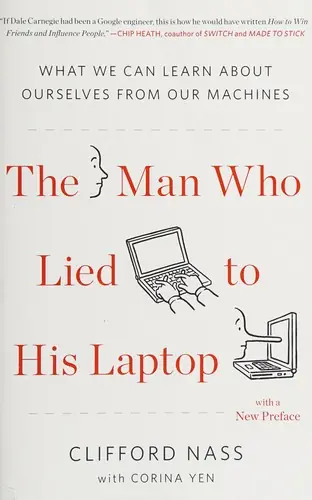
……上面的 stackexchange 链接。那本书是 Byron Reeves 写的《The Media Equation: How People Treat Computers, Television, and New Media Like Real People and Places》[0]。后续的研究见于《The Man Who Lied to His Laptop: What Machines Teach Us About Human Relationships》,同样是他与 Clifford Nass 和 Corina Yen 合著的。很多时候心理学研究只是证实了我们的直觉。我们有多少次……
…stackexchange link above. The book is "The Media Equation: How People Treat Computers, Television, and New Media Like Real People and Places." by Byron Reeves [0]. The follow-up work to this is found in "The Man Who Lied to His Laptop: What Machines Teach Us About Human Relationships", also with Clifford Nass and Corina Yen. It is often the case that psychology studies simply confirm what our own intuition tells us. How often have…
《The Man Who Lied to His Laptop》[1] 这本书表明,如果你问一个人是否把与电脑的互动看作人与人之间的交往,他们会回答不是,但实验结果却恰恰相反。这背后存在一种底层的本能情绪……
The book The Man Who Lied to His Laptop [1] shows that if you asked a person if they view a computer they have iteration with it view it as a person to person engagement they would say no, experiments show otherwise. There is a base emotional…
其实,Chris Nass 博士(《The Man Who Lied to his Laptop》[1] 的作者)声称,人们对批评之后所说的话的记忆,远好于对批评之前所说的话,所以你应该先轻描淡写地夸两句,然后提出批评,最后再以大量的称赞……
Actually, Dr. Chris Nass (author of The Man Who Lied to his Laptop [1]) claims that people's memory of what is said after criticism is much better than what is said before criticism, so you should start with small praise, then criticism, then end with a larger amount…