你可以在 Judith Flanders 的《万物有序:字母排序的奇妙历史》(A Place for Everything: The Curious history of Alphabetical Order)中读到很多这种历史上的组织方式 - https://www.amazon.com/Place-Everything-Curious-History-Alph...,还有 Roy MacLeod 的《亚历山大图书馆:古代世界的学术中心》(The Library of Alexander: Center of Learning in the Ancient World)- https://www.amazon.com/Library-Alexandria-Learning-Ancient-R...
You can read about many of these historical methods of organization in Judith Flanders' A Place for Everything: The Curious history of Alphabetical Order - https://www.amazon.com/Place-Everything-Curious-History-Alph..., and The Library of Alexander: Center of Learning in the Ancient World by Roy MacLeod - https://www.amazon.com/Library-Alexandria-Learning-Ancient-R...
……比如像……字母表这样的基础技术!别忘了,并不是所有语言都是表音字母语言。而且 embedding 也不是基于字母的,受到的限制也不一样。我推荐 Judith Flanders 的《万物有序》(A Place for Everything),它既是一部历史,也是对在字母语言中进行信息排序和组织所面临限制的全面考察。读起来也挺有趣的!tl;dr 我们为什么要让 LLM 用这么低效的方式去做……
…fundamental technologies like ... the alphabet! And remember, not all languages are alphabetic. And embeddings aren't alphabetic and don't share the same constraints. I recommend Judith Flanders' "A Place for Everything" as a both a history and survey of the constraints in sorting and organising information in an alphabetic language. It's also a fun read! tl;dr why would we want an LLM do something as inefficiently…
99% Invisible 最近一期关于字母排序的节目挺精彩的。它是根据 Judith Flanders 关于字母排序的新书《万物有序》(A Place for Everything)制作的。我之前从没想过的一点是,中文里的“字母排序”居然是基于汉字笔画数的。https://99percentinvisible.org/episode/alphabetical-order/ 另外两个不错的……
A recent 99% Invisible episode on alphabetical order was pretty fascinating. It's based on Judith Flanders's new book about alphabetical order, A Place for Everything. Among things I hadn't considered is how in Chinese "alphabetical order" is based on the number of strokes in the character. https://99percentinvisible.org/episode/alphabetical-order/ Two other goods…
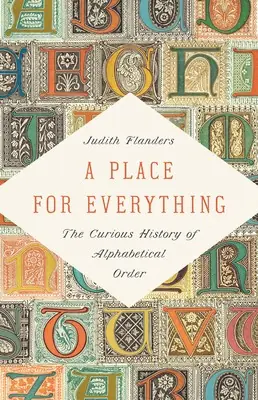
你可以在 Judith Flanders 的《万物有序:字母排序的奇妙历史》(A Place for Everything: The Curious history of Alphabetical Order)中读到很多这种历史上的组织方式 - https://www.amazon.com/Place-Everything-Curious-History-Alph...,还有 Roy MacLeod 的《亚历山大图书馆:古代世界的学术中心》(The Library of Alexander: Center of Learning in the Ancient World)- https://www.amazon.com/Library-Alexandria-Learning-Ancient-R...
You can read about many of these historical methods of organization in Judith Flanders' A Place for Everything: The Curious history of Alphabetical Order - https://www.amazon.com/Place-Everything-Curious-History-Alph..., and The Library of Alexander: Center of Learning in the Ancient World by Roy MacLeod - https://www.amazon.com/Library-Alexandria-Learning-Ancient-R...
……比如像……字母表这样的基础技术!别忘了,并不是所有语言都是表音字母语言。而且 embedding 也不是基于字母的,受到的限制也不一样。我推荐 Judith Flanders 的《万物有序》(A Place for Everything),它既是一部历史,也是对在字母语言中进行信息排序和组织所面临限制的全面考察。读起来也挺有趣的!tl;dr 我们为什么要让 LLM 用这么低效的方式去做……
…fundamental technologies like ... the alphabet! And remember, not all languages are alphabetic. And embeddings aren't alphabetic and don't share the same constraints. I recommend Judith Flanders' "A Place for Everything" as a both a history and survey of the constraints in sorting and organising information in an alphabetic language. It's also a fun read! tl;dr why would we want an LLM do something as inefficiently…
99% Invisible 最近一期关于字母排序的节目挺精彩的。它是根据 Judith Flanders 关于字母排序的新书《万物有序》(A Place for Everything)制作的。我之前从没想过的一点是,中文里的“字母排序”居然是基于汉字笔画数的。https://99percentinvisible.org/episode/alphabetical-order/ 另外两个不错的……
A recent 99% Invisible episode on alphabetical order was pretty fascinating. It's based on Judith Flanders's new book about alphabetical order, A Place for Everything. Among things I hadn't considered is how in Chinese "alphabetical order" is based on the number of strokes in the character. https://99percentinvisible.org/episode/alphabetical-order/ Two other goods…