……英语讲得足够好,能在美国教书,这本身就很说明问题了)。我想把更多国家拉进来一起对比。事实上,这正是新书《The Smartest Kids in the World: And How They Got That Way》[1] 让我喜欢的地方,因为这本书跟踪了几位去往其他国家(芬兰当然有,但也包括韩国和波兰)的美国交换生,并深入探讨了不同学校制度所作出的诸多权衡取舍……
…speak English well enough to teach in the United States, which tells us something right there). I would like to include a few more countries in the mix. Indeed, that is what I like about the new book The Smartest Kids in the World: And How They Got That Way,[1] because the book follows some American exchange students over to other countries (Finland, yes, but also Korea and Poland) and examines a lot of different trade-offs that different school systems…
Amanda Ripley 写的《The Smartest Kids in the World: And How They Got That Way》。三名美国学生被送往三个(根据 PISA 得分排名的)最聪明的国家:芬兰、波兰和韩国。反过来也做了同样的交换。了解……的过程非常吸引人
The Smartest Kids in the World: And How They Got That Way by Amanda Ripley. Three American students are sent to three of the smartest countries (based on PISA scores): Finland, Poland, and Korea. The same was done vice versa. It was fascinating to learn how…
这几年我最喜欢的书之一是《The Smartest Kids in the World》。记者走访了在国际 PISA 测试中名列前茅的三个国家,并讨论了到底有哪些经验可以切实应用在美国和其他国家。她(以及当地人)非常不看好……
One of my favorite books from the last few years is "The Smartest Kids in the World." The reporter visits three countries that do very well on the international PISA test, and talks about what can indeed work in the US and other countries. She (and the locals) are very negative about…
嗯。这真挺遗憾的。读了 Amanda Ripley 的《The Smartest Kids in the World: And How They Got That Way》之后,我才知道美国在所有 OECD 国家里是教育科技投入最高的。你可能会觉得既然有这么大一笔科技预算,我们在转型过渡上应该做得更好……
Hmm. This is a shame. Having read "The Smartest Kids in the World: And How They Got That Way" by Amanda Ripley, I learned that the United States is the highest spender on technology amongst all OECD countries. You'd think with such a big budget for tech, we'd do a better job of transitioning…
Annie Murphy Paul 在《纽约时报》[1] 上发表的对 Amanda Ripley 新书《Smartest Kids in the World》的书评,算是对这里有人分享的《经济学人》书评的一剂清醒剂。这本书在我们县的图书馆系统里非常抢手,所以我的借阅申请……
The review of Amanda Ripley's new book Smartest Kids in the World by Annie Murphy Paul in the New York Times[1] is a good reality check on the review from The Economist kindly posted here. The book is in hot demand in my county library system, so my request for the…
…that this is not completely true. US kids who have parents who volunteer at school (like PTA) actually have poorer academic achievement on average than parents who don't. They have also found that the smartest kids in the world have parents who are not terribly involved at school, at least compared to their US counterparts. The strongest correlative of a child's academic success in the US is the income level of their parents.…
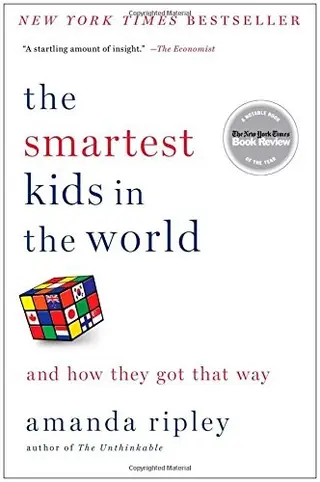
……英语讲得足够好,能在美国教书,这本身就很说明问题了)。我想把更多国家拉进来一起对比。事实上,这正是新书《The Smartest Kids in the World: And How They Got That Way》[1] 让我喜欢的地方,因为这本书跟踪了几位去往其他国家(芬兰当然有,但也包括韩国和波兰)的美国交换生,并深入探讨了不同学校制度所作出的诸多权衡取舍……
…speak English well enough to teach in the United States, which tells us something right there). I would like to include a few more countries in the mix. Indeed, that is what I like about the new book The Smartest Kids in the World: And How They Got That Way,[1] because the book follows some American exchange students over to other countries (Finland, yes, but also Korea and Poland) and examines a lot of different trade-offs that different school systems…
Amanda Ripley 写的《The Smartest Kids in the World: And How They Got That Way》。三名美国学生被送往三个(根据 PISA 得分排名的)最聪明的国家:芬兰、波兰和韩国。反过来也做了同样的交换。了解……的过程非常吸引人
The Smartest Kids in the World: And How They Got That Way by Amanda Ripley. Three American students are sent to three of the smartest countries (based on PISA scores): Finland, Poland, and Korea. The same was done vice versa. It was fascinating to learn how…
这几年我最喜欢的书之一是《The Smartest Kids in the World》。记者走访了在国际 PISA 测试中名列前茅的三个国家,并讨论了到底有哪些经验可以切实应用在美国和其他国家。她(以及当地人)非常不看好……
One of my favorite books from the last few years is "The Smartest Kids in the World." The reporter visits three countries that do very well on the international PISA test, and talks about what can indeed work in the US and other countries. She (and the locals) are very negative about…
嗯。这真挺遗憾的。读了 Amanda Ripley 的《The Smartest Kids in the World: And How They Got That Way》之后,我才知道美国在所有 OECD 国家里是教育科技投入最高的。你可能会觉得既然有这么大一笔科技预算,我们在转型过渡上应该做得更好……
Hmm. This is a shame. Having read "The Smartest Kids in the World: And How They Got That Way" by Amanda Ripley, I learned that the United States is the highest spender on technology amongst all OECD countries. You'd think with such a big budget for tech, we'd do a better job of transitioning…
Annie Murphy Paul 在《纽约时报》[1] 上发表的对 Amanda Ripley 新书《Smartest Kids in the World》的书评,算是对这里有人分享的《经济学人》书评的一剂清醒剂。这本书在我们县的图书馆系统里非常抢手,所以我的借阅申请……
The review of Amanda Ripley's new book Smartest Kids in the World by Annie Murphy Paul in the New York Times[1] is a good reality check on the review from The Economist kindly posted here. The book is in hot demand in my county library system, so my request for the…
……这并不完全是真的。在美国,有家长去学校当志愿者(比如参加 PTA)的孩子,平均学业成绩反而比家长不去的要差。他们还发现,全世界最聪明的孩子,其父母在学校的参与度其实并不高,至少跟美国的家长比起来是这样。在美国,与孩子学业成功相关性最强的因素,其实是父母的收入水平。……
…that this is not completely true. US kids who have parents who volunteer at school (like PTA) actually have poorer academic achievement on average than parents who don't. They have also found that the smartest kids in the world have parents who are not terribly involved at school, at least compared to their US counterparts. The strongest correlative of a child's academic success in the US is the income level of their parents.…