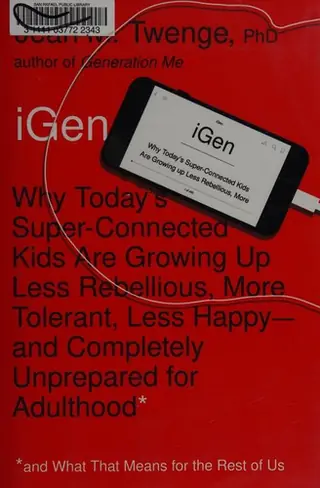
i世代
IGen
Jean M. Twenge · 初版 2017 年
2人推荐
4位读者提及
4次提及
Jean Twenge博士为我们勾勒了新一代人的群像,他们比历史上任何一代人都成长得更慢、更焦虑——但也更具包容心、更注重安全。他们远离酒精和性等成年人的诱惑,但同时也逃避成年人的责任,例如学开车、搬出家门独立生活以及实现经济独立。他们思想开明、具有前瞻性,其谨慎程度是以往年轻一代所没有的。iGen的特质和发展趋势看似令人费解甚至有悖直觉,但如果我们想与他们成功交流
Hacker News 上怎么说
正在加载完整评论……
如果你想找一本利用过去40多年来的全美民调、并结合一些轶事证据让数据更生动直观的书,我推荐让·M·特温格(Jean M. Twenge)写的《i世代》(iGen)[0]。书中指出了一个很明显的趋势:即将成年的这一代孩子根本没为上大学做好准备,而且指望权威机构来保护他们。在高中时,他们不太会……
If you want a book that uses national polls conducted over the past 40+ years, plus a little bit of anecdotal evidence to make the data tangible, I recommend iGen by Jean M. Twenge[0]. There's a noticeable trend that the kids of this upcoming generation are ill-prepared for college and expect the authorities to protect them. In highschool, they're less likely…
Twenge 的《iGen》实际上非常出色:https://jakeseliger.com/2017/08/28/igen-jean-m-twenge-the-ki... 而且与《The Coddling of the American Mind》相辅相成。
Twenge's book iGen is in fact excellent: https://jakeseliger.com/2017/08/28/igen-jean-m-twenge-the-ki... and complements The Coddling of the American Mind.
先是2006年的《唯我一代》(Generation Me)[1],接着是2010年的《自恋流行病》(The Narcissism Epidemic)[2],现在又是2017年的《i世代》[3]。这三本书完全是一个套路:给最新的一代人扣上一个空洞又侮辱性的外号,说这代人孤独又自恋,然后把这一切全都归咎于最新的……
First it was Generation Me in 2006 [1], then The Narcissism Epidemic in 2010 [2], and now iGen in 2017 [3]. All three books follow exactly the same pattern: stick a vapid and insulting nickname onto the latest generation, call that generation lonely and narcissistic, and blame it all on the latest…
“我称之为‘iGen’的那一代人,也被称为 Z 世代” 我严厉批评这位作者,因为别人都已经有名字了,他还自己造了个标签。
"the generation I call “iGen” that’s also called Gen Z" I am judging this author very harshly for making up their own label for something everybody else already has a name for.