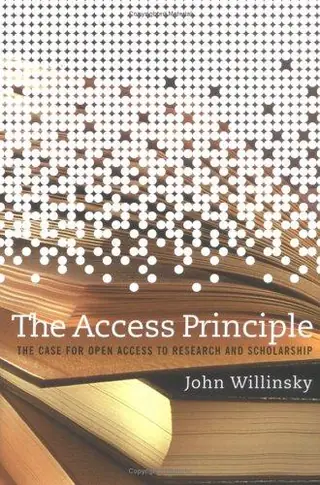
获取原则
The access principle
John Willinsky · 初版 2005 年
2位读者提及
2次提及
“关于获取学术研究途径的探讨,其渊源远比近期围绕订阅价格、版权和电子档案库的争论所显示的更为悠久。过去的伟大图书馆——从传说中的亚历山大藏书到19世纪美国早期的公共图书馆——都曾是扩大知识获取途径的有力例证。在 The Access Principle 中,John Willinsky 描绘了这一延续至今的历程的最新篇章——学术期刊的网络开放获取出版,并阐述了将开放获取视为公共产品的主张。”——护封。
Hacker News 上怎么说
正在加载完整评论……
同样,这里有一篇很有意思的书评,评的是一本批评学术界现状的书(John Willinsky 写的《访问原则》(The Access Principle)):http://www.scottaaronson.com/writings/journal.html 看起来,学术期刊(以及教科书出版商)给知识作品的作者们提供声誉和吹牛的资本,以换取……
Similarly, an interesting review of a book critical of the status-quo in academia (The Access Principle, by John Willinsky): http://www.scottaaronson.com/writings/journal.html It seems that journals (and textbook publishers) give the authors of intellectual works prestige and bragging rights in return…
……Elsevier。我们当中很多人已经发誓再也不给这些出版商审稿或投稿了,至少在他们从根本上改变做法之前绝不妥协。关于这方面的更多内容,可以看我对《访问原则》(The Access Principle)的这篇书评:https://www.scottaaronson.com/writings/journal.html 下一步,我们甚至应该彻底摆脱那些学会期刊,只要它们还把研究成果锁在付费墙之后。所有东西——尤其是如果……
…Elsevier. Many of us have already pledged never again to review for or submit to those publishers, at least until they fundamentally change their practices. For more about this, see my review of "The Access Principle": https://www.scottaaronson.com/writings/journal.html As the next step, we should break free even of society journals, insofar as they put research results behind a paywall. Everything---certainly if…