在编译器中利落地去除了 lhs/rhs 的区分,尽管在实际翻译中,跟踪求值(比如“a[i]”)是否需要以 DEREF 结尾其实也没那么麻烦。但 Wulf 等人写的《The Design of an Optimizing Compiler》读起来依然很有意思;特别是如果你想知道在 Chaitin 的开创性论文问世之前人们是怎么做寄存器分配(register allocation)的话。
Neatly removes the lhs/rhs distinction in the compiler, although in practice tracking during the translation whether evaluating e.g. "a[i]" needs to end with DEREF or not ain't that onerous. But "The Design of an Optimizing Compiler" by Wulf et al. is an interesting read nonetheless; especially if you wonder how people did register allocation before Chaitin's seminal paper.
……和速度,媲美顶级手工调优的汇编器:那么什么样的顶级高级语言可以作为该编译器的输入?它必须[不]具备哪些特性?这些研究成果被记录在 William Wulf 等人于 1971 年出版的一本书中,名为《The Design of an Optimizing Compiler》。
…and speed, with the best hand-tuned assembler: then what kind of high-level language could be the input to that compiler? What features must it [not] have? The findings were documented in a book, The Design of an Optimizing Compiler by William Wulf et al., published 1971.
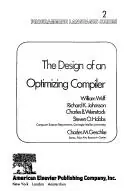
在编译器中利落地去除了 lhs/rhs 的区分,尽管在实际翻译中,跟踪求值(比如“a[i]”)是否需要以 DEREF 结尾其实也没那么麻烦。但 Wulf 等人写的《The Design of an Optimizing Compiler》读起来依然很有意思;特别是如果你想知道在 Chaitin 的开创性论文问世之前人们是怎么做寄存器分配(register allocation)的话。
Neatly removes the lhs/rhs distinction in the compiler, although in practice tracking during the translation whether evaluating e.g. "a[i]" needs to end with DEREF or not ain't that onerous. But "The Design of an Optimizing Compiler" by Wulf et al. is an interesting read nonetheless; especially if you wonder how people did register allocation before Chaitin's seminal paper.
……和速度,媲美顶级手工调优的汇编器:那么什么样的顶级高级语言可以作为该编译器的输入?它必须[不]具备哪些特性?这些研究成果被记录在 William Wulf 等人于 1971 年出版的一本书中,名为《The Design of an Optimizing Compiler》。
…and speed, with the best hand-tuned assembler: then what kind of high-level language could be the input to that compiler? What features must it [not] have? The findings were documented in a book, The Design of an Optimizing Compiler by William Wulf et al., published 1971.