那句诗阐述的概念是“无为”(Wu Wei)。它值得每个人花时间去搞懂。关于它,我最喜欢的解释出自艾伦·瓦茨(Alan Watts)在《道:顺水之道》(Tao: The Watercourse Way)[0]里的阐释,不过 Wikipedia [1] 上的内容也还过得去。最后一段提到的看“结果槽”(results tank)而非“苦劳槽”(effort tank)所指的另一个概念是对结果的渴求(lust of result)。讨论这个的资料并不多……
The concept that verse espouses is Wu Wei. It's worth anyone's time to understand. My favorite explanations of it come from Alan Watts in Tao: The Watercourse Way [0], but Wikipedia [1] is not terrible. The other concept indicated in the last paragraph on "results tank" not "effort tank" is lust of result. There aren't as many sources discussing…
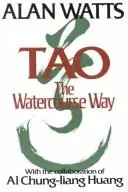
那句诗阐述的概念是“无为”(Wu Wei)。它值得每个人花时间去搞懂。关于它,我最喜欢的解释出自艾伦·瓦茨(Alan Watts)在《道:顺水之道》(Tao: The Watercourse Way)[0]里的阐释,不过 Wikipedia [1] 上的内容也还过得去。最后一段提到的看“结果槽”(results tank)而非“苦劳槽”(effort tank)所指的另一个概念是对结果的渴求(lust of result)。讨论这个的资料并不多……
The concept that verse espouses is Wu Wei. It's worth anyone's time to understand. My favorite explanations of it come from Alan Watts in Tao: The Watercourse Way [0], but Wikipedia [1] is not terrible. The other concept indicated in the last paragraph on "results tank" not "effort tank" is lust of result. There aren't as many sources discussing…
艾伦·瓦茨(Alan Watts)的几乎所有东西都值得看。《道:顺水之道》(Tao: The Watercourse Way)就很不错。他还有一堆录音讲座,在 bittorrent 上都能搜到。
Almost anything by Alan Watts. Tao: The Watercourse Way is good. He also has a bunch of lectures recorded in audio and available on bittorrent.