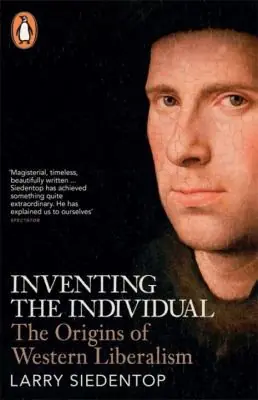
发明个体
Inventing the Individual
Larry Siedentop · 初版 2014 年
2人推荐
4位读者提及
6次提及
“这本短小却雄心勃勃的著作促使我们重新审视现代国家赖以建立的思想演进历程。Larry Siedentop 提出,如今构成我们信仰体系核心的自由主义(liberalism),其出现时间远早于普遍认知:并非确立于文艺复兴时期,而是形成于 12 和 13 世纪法学家与哲学家的论辩之中。在当今世界的很多地方——如原教旨主义伊斯兰世界、准资本主义的中国——其他信仰体系同样蓬勃繁衍。面对这些挑战,理解自身思想的起源比以往任何时候都更为重要,它是……”
Hacker News 上怎么说
正在加载完整评论……
这个方向有一本很有意思的书,Siedentop 写的《创造个体:现代自由主义的起源》(Inventing the individual: the origins of Western Liberalism):> 这本篇幅不长但野心极大的书促使我们重新审视构建现代国家的思想演变。Larry Siedentop 认为……
Interesting book in this vein is Inventing the individual: the origins of Western Liberalism by Siedentop: > This short but highly ambitious book asks us to rethink the evolution of the ideas on which modern states are built. Larry Siedentop argues that the…
关于这个话题,一次引人注目的探索是 Larry Siedentop 写的《创造个体:现代自由主义的起源》。
A remarkable foray into this topic is 'Inventing the Individual: The Origins of Western Liberalism' by Larry Siedentop.
Larry Siedentop 的《创造个体:现代自由主义的起源》对这个话题提出了不同的切入视角。引用一段书评:他认为“自由主义思想是基督教的产物,而正是基督教的道德信念……
Larry Siedentop's 'Inventing the Individual: The Origins of Western Liberalism' takes a different slant on this topic. To quote from a review: he argues that 'liberal thought is the offspring of Christianity and that it is Christian moral beliefs…
……把“基督的绝对贫穷”定为异端。方济各会这场变革可能没有达到某些人期望的程度,但它是西方自由主义发展历程中的重要一步(参见 Larry Siedentop 的《创造个体》,第 288-292 页)。顺便提一句,这场辩论也是翁贝托·埃科的历史小说《玫瑰的名字》中的核心情节冲突。
…poverty of Christ" as heresy. The Franciscan revolution may have not gone as far as some people have hoped, but it was an important step in the development of Western liberalism (cf. Larry Siedentop's Inventing the Individual, pp. 288-292). Incidentally, this same debate was also featured as the central plot conflict in Umberto Eco's historical fiction "The Name of the Rose".
……粉墨登场,而早期基督徒(比如尼撒的贵格利)提出反对,这本身也包含了一堆站不住脚的论点。正如(例如)Siedentop 在《创造个体》中所概述的西方思想史那样,它展现了基督教是如何推动社会一步步从奴隶制走向农奴制、再走向个体自由的:* https://www.goodreads.com/book/show/18740986-inventing-the-i... 这点在 Brundage 的《……》中可以得到更深入的阐述。
…arrived on the scene, and early Christians (e.g., Gregory of Nyssa) argued against it, that would contain a bunch of bad arguments as well. The history of Western thought as outlined in (e.g.) Siedentop's Inventing the Individual shows how Christianity moved the needle from slaves to serfs to individual freedom: * https://www.goodreads.com/book/show/18740986-inventing-the-i... This can further be expounded on in Brundage's The…
……权力凌驾于上帝之上?* https://en.wikipedia.org/wiki/Gregory_of_Nyssa#Slavery 所以早在极其早期的时代,基督教内部就存在强烈的反奴隶制倾向和诉求。上面提到的《创造个体》一书梳理了从罗马晚期开始个体自由不断增长的历史:> 他的核心论点很简单:世俗自由主义的起源——若将其视为一种思想潮流……
…power above God's? * https://en.wikipedia.org/wiki/Gregory_of_Nyssa#Slavery So right from very early times there was a strong anti-slavery leaning and desire in Christianity. The above referenced book Inventing the Individual goes through the history of constantly increasing individual freedom starting in the late-Roman period: > His thesis is simple: the origin of secular liberalism, - conceived of as the intellectual current…