有人读过马丁·艾米斯的《对抗陈词滥调》(The War Against Cliche)吗?读过好几年了,但那本书极棒,而且在我看来,书名完美概括了文学评论家在最佳状态下的职责。
Has anybody read Martin Amis’s: The War Against Cliche? It’s been several years but the book is great and the title summarizes the work of a literary critic, at their best, in my opinion.
我对写作以及“什么是好写作”研究得越深,就觉得越难。读马丁·艾米斯的《对抗陈词滥调》对我来说是一个特别有杀伤力的时刻。莱考夫和约翰逊的《我们赖以生存的隐喻》(Metaphors We Live By)也是如此。我觉得问题在于:修辞格到底是有助于读者或作者看到事物……
The deeper I get into writing, and what it means to write well, the harder it is. Reading Martin Amis's The War Against Cliche was a particularly pernicious moment for me. So was Lakoff and Johnson's Metaphors We Live By. I think the question is this: does a rhetorical figure of speech help the reader or writer see the things…
我很喜欢奥威尔那本文集。
马丁·艾米斯有一整本随笔和书评集就叫《对抗陈词滥调》(The War Against Cliché)[1](即你上面提到的第1条),因为他也把抵制盲从陈词滥调这种轻而易举的惰性放在首位。我注意到,小报比传统大报更依赖这种语言风格——在我看来,正是这种(刻意为之的)文学懒惰和故作亲民……
I love that Orwell collection.
An entire collection of Martin Amis essays and book reviews is called 'The War Against Cliché'[1] (your #1 above) because he too prioritizes resisting the all-too-easy tendency to rely on tired worn-out phrases. I have noticed that tabloid papers lean on this style of language more than traditional broadsheets - for me it is this (deliberate) literary lazy folksines
Thank you for connecting 2 sayings of Murakami Haruki :)
1.痛みは避けがたいが、苦しみはオプショナル
(https://archive.ph/Ca9rE)
Now, I don’t know how representative this book is of Murakami’s novelistic style, but I wonder: Is this low-maintenance, attention-deficit prose part of Murakami’s attraction, especially among the young? Do people enjoy reading him for the same reason they persist in listening to music as
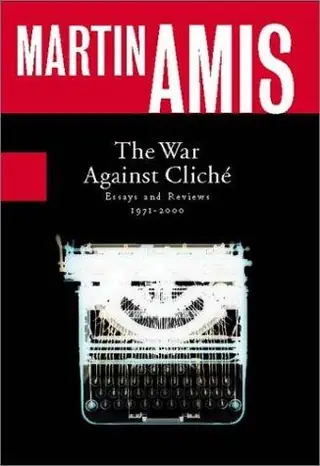
我一直很喜欢马丁·艾米斯(Martin Amis)的作品,比如《对抗陈词滥调》(The War Against Cliché)就是他的随笔集。
I have enjoyed Martin Amis's work, for instance "The War Against Cliché" is a compilation of his essays.
有人读过马丁·艾米斯的《对抗陈词滥调》(The War Against Cliche)吗?读过好几年了,但那本书极棒,而且在我看来,书名完美概括了文学评论家在最佳状态下的职责。
Has anybody read Martin Amis’s: The War Against Cliche? It’s been several years but the book is great and the title summarizes the work of a literary critic, at their best, in my opinion.
我对写作以及“什么是好写作”研究得越深,就觉得越难。读马丁·艾米斯的《对抗陈词滥调》对我来说是一个特别有杀伤力的时刻。莱考夫和约翰逊的《我们赖以生存的隐喻》(Metaphors We Live By)也是如此。我觉得问题在于:修辞格到底是有助于读者或作者看到事物……
The deeper I get into writing, and what it means to write well, the harder it is. Reading Martin Amis's The War Against Cliche was a particularly pernicious moment for me. So was Lakoff and Johnson's Metaphors We Live By. I think the question is this: does a rhetorical figure of speech help the reader or writer see the things…
我很喜欢奥威尔那本文集。 马丁·艾米斯有一整本随笔和书评集就叫《对抗陈词滥调》(The War Against Cliché)[1](即你上面提到的第1条),因为他也把抵制盲从陈词滥调这种轻而易举的惰性放在首位。我注意到,小报比传统大报更依赖这种语言风格——在我看来,正是这种(刻意为之的)文学懒惰和故作亲民……
I love that Orwell collection. An entire collection of Martin Amis essays and book reviews is called 'The War Against Cliché'[1] (your #1 above) because he too prioritizes resisting the all-too-easy tendency to rely on tired worn-out phrases. I have noticed that tabloid papers lean on this style of language more than traditional broadsheets - for me it is this (deliberate) literary lazy folksines
谢谢你把村上春树的两句话串在一起了 :) 1. 痛みを避けがたいが、苦しみはオプショナル(痛是难免的,苦是自找的) (https://archive.ph/Ca9rE) 说实话,我不知道这本书多大程度上能代表村上的小说风格,但我在想:这种不费脑子、适合注意力缺失的散文风格,是否正是村上吸引人(尤其是年轻人)的一部分原因?大家喜欢读他,是不是就像大家非要听音乐当
Thank you for connecting 2 sayings of Murakami Haruki :) 1.痛みは避けがたいが、苦しみはオプショナル (https://archive.ph/Ca9rE) Now, I don’t know how representative this book is of Murakami’s novelistic style, but I wonder: Is this low-maintenance, attention-deficit prose part of Murakami’s attraction, especially among the young? Do people enjoy reading him for the same reason they persist in listening to music as