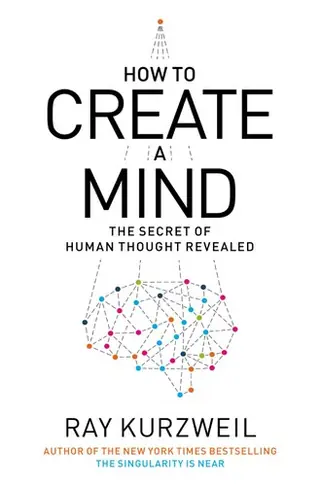
如何创造思维
How to Create a Mind
Ray Kurzweil · 初版 2012 年
10人推荐
36位读者提及
45次提及
为什么值得读
- 提出人类思维本质是模式匹配机器的启发性观点
- 分析了人脑信息处理带宽对脑机增强的潜在限制
- 引导读者从底层认知角度审视人类思考的过程
探索了对人脑进行逆向工程的无限潜力,概述了通过提高智力来应对全球问题所带来的争议性影响,同时对比了情绪智力与道德智力,并探讨了意识的起源。
Hacker News 上怎么说
正在加载完整评论……
How to Create a Mind
Ray Kurzweil · 初版 2012 年
探索了对人脑进行逆向工程的无限潜力,概述了通过提高智力来应对全球问题所带来的争议性影响,同时对比了情绪智力与道德智力,并探讨了意识的起源。
正在加载完整评论……
……现在的进步速度已经远远远远超越了已知历史上的任何时期。PC(1975)、Web(1991)、FB(2004)、iPhone(2007)在极短时间内带来了如此巨大的变革。去看看雷·库兹韦尔(Ray Kurzweil)的《如何创造思维》(How to Create a Mind: The Secret of Human Thought)吧,你就能明白当今的关键科学技术是如何按月在突飞猛进的。
…rate of advancement is now far, far, far surpassing any other time in the known history. The PC (1975), Web(1991), FB(2004), iPhone(2007) have created such an enormous change so fast. Have a look at "How to Create a Mind: The Secret of Human Thought" by Ray Kurzweil to see how crucial sciences nowadays are advancing by the month.
……最近在某个地方看到的(其实我觉得应该就是在 HN 上),我挺想读读看。供参考,我也分享一份我自己的简短书单,包括我已经读过的、正在读的和打算近期读的书:1. 《如何创造思维》(How To Create A Mind)- 雷·库兹韦尔(已读)。这本书并不是字面意义上教你“怎么做”出一个大脑的指南,但作为一位 AI 先驱的作品,读起来很有趣。以一个“AI 门外汉”的角度来看,我觉得它发人深省,而且启发了其他……
…somewhere recently (actually, I think it was here on HN) and I kinda want to read that. FWIW, I'll share a short list of my own, including stuff I've already read, am reading, or plan to read soon: 1. How To Create A Mind - Ray Kurzweil. (already read) Not a literal "how to" on creating a mind, but an interesting read from an AI pioneer. Coming at it as an "AI layman", I found it thought provoking and suggestive of other…
……智能即使能维持一小段时间,也会受限于自身的形式,最终被更优秀的设计所超越。关于增强假体,库兹韦尔在他的《如何创造思维》(How to Create a Mind)一书中提出了一个强有力的论点:任何接入你大脑的设备,其带宽都会受限于大脑一次性能实际处理的信息量,这就像我们视野中的绝大多数事物都会立刻……
…intelligence for a short period, they are limited by their format, and would ultimately be overtaken by superior designs. With regards augmentation prostheses, Kurzweil makes a strong case in his book "how to Create a Mind", that anything you plug into your brain is bandwidth limited by how much information the brain can actually process at a time, in a similar way to how most things in our visual field are immediately…
我不是什么 AI 专家,但读了霍金斯的《论智能》(On Intelligence)和库兹韦尔的《如何创造思维》(How To Create A Mind)之后,我非常认同这个观点:我们的大脑基本上就是个模式匹配机器。最近我花了不少时间去“思考思考本身”,去观察自己是如何形成想法、进行联想的……
I'm no AI expert, but after reading both Hawkins' On Intelligence and Kurweil's How To Create A Mind, I'm pretty sold on the idea that our minds are basically pattern-matching machines. Lately I've been trying to spend a lot of time "thinking about thinking" and recognizing how I form thoughts, relate…
非虚构类:《论智能》(On Intelligence)- 杰夫·霍金斯(Jeff Hawkins);《如何创造思维》(How To Create A Mind)- 雷·库兹韦尔(Ray Kurzweil);《语言本能》(The Language Instinct)- 史蒂芬·平克(Steven Pinker);《财富的起源》(The Origin of Wealth)- 埃里克·拜因霍克(Eric Beinhocker);《信号与噪声》(The Signal and the Noise)- 内特·银(Nate Silver);《金钱文化》(The Money Culture)- 迈克尔·刘易斯(Michael Lewis);《知识与国家财富》(Knowledge and the Wealth of Nations)……
Non-fiction: On Intelligence - Jeff Hawkins How To Create A Mind - Ray Kurzweil The Language Instinct - Steven Pinker The Origin of Wealth - Eric Beinhocker The Signal and the Noise - Nate Silver The Money Culture - Michael Lewis Knowledge and the Wealth of Nations…
我发这条大概会被点踩(downvote)吧……但我挺喜欢库兹韦尔的《如何创造思维》和杰夫·霍金斯的《论智能》。虽然这两本书算不上非常硬核的科学著作,但我真的很喜欢这些人对意识和智能的思考方式。
I will probably be down voted for this.. But I enjoyed Kurzweil's "How to create a mind" and "on intelligence" by Jeff Hawkins . Even though these books aren't super scientific i really like how these guys think about consciousness and intelligence.