……半辈子前没在大学里好好读书,但这也让我成了一名终身自学者。你能就这点展开讲讲吗?你为什么会后悔呢?我读过一本讲这个主题的绝赞好书:《The Top Five Regrets of the Dying》(临终前最遗憾的五件事)。当然它讨论的范围要宽泛一些,但你或者其他人可能会感兴趣。
…taking university seriously half a lifetime ago, but as a result I became a lifelong self-learner. Can you please expand on this? Why do you regret that? I've read a great book about this topic: The Top Five Regrets of the Dying. It's a bit more general of course, but it might be interesting to you or others.
我做了一个“临终遗憾提醒”工具,每天早上直接把临终之人人生终点的真实遗憾推送到你的邮箱。在读完 Bronnie Ware 的《The Top Five Regrets of the Dying》并梳理了 2500 多条遗憾记录后,我悟出了一个极有分量的事实:只要我们停下脚步,反思一下自己的生活方式,其中大多数遗憾其实都是完全可以避免的。所以我搭了个简单的网站。每天……
I created a deathbed regret reminder that sends real regrets from people at the end of their lives—straight to your email every morning. After reading Bronnie Ware's The Top Five Regrets of the Dying and going through over 2,500 regret entries, I noticed something powerful: most of these regrets are actually preventable if we pause and reflect on how we're living. So I built a simple website. Every…
……做到像她那样。我琢磨着,对大多数女性来说,一边在车里给婴儿喂奶一边做科研绝对算不上什么梦寐以求的体验。那问题就在于她为什么要这么做?要我说,问题应该是男人为什么要这么做。在《The Top Five Regrets of the Dying》里,所有男人都会说“我真希望自己当年没那么拼命工作”。(这排在第二位,仅次于“我希望自己当年有勇气过真正属于自己的生活,而不是他人期望我过的生活”,而他人对男性的期望……
…do what she did. Feeding a baby in the car while doing research seems far from desirable for most women I presume. Then the question is why she did it? I'd say the question is why men do it. In The Top Five Regrets of the Dying, all men say "I wish I hadn't worked so hard". (That's the second after "I wish I'd had the courage to live a life true to myself, not the life others expected of me", and others' expectations of male…
我(一点都)不喜欢这种拿死亡说事的论调,也就是所谓“在死亡面前一切都不重要了”的说辞。这简直就是把《The Top Five Regrets of the Dying》拿出来又炒了一遍冷饭。这些“遗憾”听着挺动人,全是喂给眼睛和耳朵的心灵鸡汤。但我们理所当然地会觉得,他们当初——反正永远是“他们”而不是“我们”——真应该多陪陪家人、少操心工作,应该重拾……
I don't like the appeals to mortality (at all), the "things just fall away in the face of death" argument. It is like "The Top Five Regrets of the Dying" all over again. The "regrets" sound good, are honey for our eyes and ears. But of course, we reason, they should have—it's always them, not us—thought more about family and less about work, picked up…
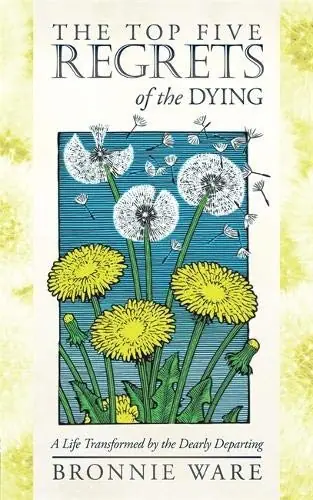
……半辈子前没在大学里好好读书,但这也让我成了一名终身自学者。你能就这点展开讲讲吗?你为什么会后悔呢?我读过一本讲这个主题的绝赞好书:《The Top Five Regrets of the Dying》(临终前最遗憾的五件事)。当然它讨论的范围要宽泛一些,但你或者其他人可能会感兴趣。
…taking university seriously half a lifetime ago, but as a result I became a lifelong self-learner. Can you please expand on this? Why do you regret that? I've read a great book about this topic: The Top Five Regrets of the Dying. It's a bit more general of course, but it might be interesting to you or others.
我做了一个“临终遗憾提醒”工具,每天早上直接把临终之人人生终点的真实遗憾推送到你的邮箱。在读完 Bronnie Ware 的《The Top Five Regrets of the Dying》并梳理了 2500 多条遗憾记录后,我悟出了一个极有分量的事实:只要我们停下脚步,反思一下自己的生活方式,其中大多数遗憾其实都是完全可以避免的。所以我搭了个简单的网站。每天……
I created a deathbed regret reminder that sends real regrets from people at the end of their lives—straight to your email every morning. After reading Bronnie Ware's The Top Five Regrets of the Dying and going through over 2,500 regret entries, I noticed something powerful: most of these regrets are actually preventable if we pause and reflect on how we're living. So I built a simple website. Every…
……做到像她那样。我琢磨着,对大多数女性来说,一边在车里给婴儿喂奶一边做科研绝对算不上什么梦寐以求的体验。那问题就在于她为什么要这么做?要我说,问题应该是男人为什么要这么做。在《The Top Five Regrets of the Dying》里,所有男人都会说“我真希望自己当年没那么拼命工作”。(这排在第二位,仅次于“我希望自己当年有勇气过真正属于自己的生活,而不是他人期望我过的生活”,而他人对男性的期望……
…do what she did. Feeding a baby in the car while doing research seems far from desirable for most women I presume. Then the question is why she did it? I'd say the question is why men do it. In The Top Five Regrets of the Dying, all men say "I wish I hadn't worked so hard". (That's the second after "I wish I'd had the courage to live a life true to myself, not the life others expected of me", and others' expectations of male…
我(一点都)不喜欢这种拿死亡说事的论调,也就是所谓“在死亡面前一切都不重要了”的说辞。这简直就是把《The Top Five Regrets of the Dying》拿出来又炒了一遍冷饭。这些“遗憾”听着挺动人,全是喂给眼睛和耳朵的心灵鸡汤。但我们理所当然地会觉得,他们当初——反正永远是“他们”而不是“我们”——真应该多陪陪家人、少操心工作,应该重拾……
I don't like the appeals to mortality (at all), the "things just fall away in the face of death" argument. It is like "The Top Five Regrets of the Dying" all over again. The "regrets" sound good, are honey for our eyes and ears. But of course, we reason, they should have—it's always them, not us—thought more about family and less about work, picked up…