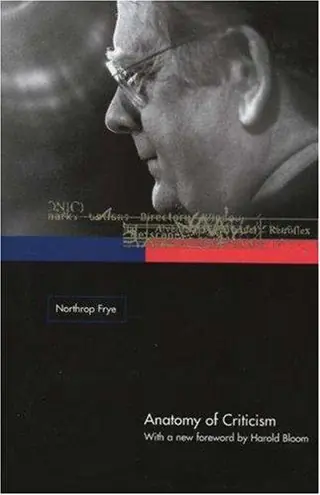
批评的解剖
Anatomy of criticism
Northrop Frye · 初版 1957 年
2人推荐
4位读者提及
4次提及
“Northrop Frye 抨击了将批评局限于单纯观点或仪式性姿态的观念,并在批评本身就是一个独立的思想与知识结构这一前提下写下了这部权威巨著。通过探讨历史、伦理、原型和修辞批评的四篇论文,并结合从古至今的世界文学范例,Frye 将文学批评重新构想为一段总体历史,而非时间线上的线性发展。”“Frye 写道,文学是‘我们的想象力找到其试图传递给
Hacker News 上怎么说
正在加载完整评论……
我觉得我更倾向于诺斯罗普·弗莱(Northrop Frye)在《批评的解剖》(Anatomy of Criticism)中的分析,他划分的“mythic(神话)”、“romantic(传奇)”、“high mimetic(高模仿)”、“low mimetic(低模仿)”、“ironic(反讽)”这些类别,在分析从神话传说、史诗直到现代文学的文学史上特别好用……
I think my preference is Northrop Frye’s analysis in “Anatomy of Criticism”, his categories of “mythic”, “romantic”, “high mimetic”, “low mimetic”, “ironic” are particularly useful for analyzing the history of literature from mythic legends and epic poetry up to modern literature…
……After You've Said Hello?》和《Beyond Games and Scripts》。上面 Hall 的著作在解释社会行为方面贡献很大。Berne 的著作则在解释社会中人的行为方面贡献很大。诺斯罗普·弗莱写的《The Anatomy of Criticism》。弗莱曾是多伦多大学的英语教授。他曾完成了一项关于 William Blake 的研究,名为《Fearful Symmetry》,当时正试图对斯宾塞的《仙后》(Faery Queen)展开研究。……
…After You've Said Hello?" and "Beyond Games and Scripts". Hall's work above did much to explain teh behavior of societies. Berne's work does much to explain the behavior of people in societies. "The Anatomy of Criticism" by Northrop Frye. Frye was a Professor of English at Toronto University. He had completed a study of William Blake called "Fearful Symmetry", and was attempting to do a study of Spencer's Faery Queen.…
……这种判决在这一点上是错误的,偏向了过长的版权保护期。敢打包票的是,1957 年出版且至今仍被铭记的任何一本书(肯定有《阿特拉斯耸耸肩》和《在路上》,信不信由你,还有《批评的解剖》,其他一些书大概就不算了),早就超预期收回出版商的投资了。
…the judgment is at this point wrong, erring in favor of unduly long copyright. It is a safe bet that any book of 1957 still remembered (definitely Atlas Shrugged and On the Road, believe it or not The Anatomy of Criticism, probably not some of the others) has long since paid back the publisher's investment beyond expectations.
文中很有价值的一段话:“我们热衷于义愤填膺的快感,以及正义得到伸张时的满足感。正如文学学者诺斯罗普·弗莱在《批评的解剖》(The Anatomy of Criticism)[1] 中指出的那样,‘在残暴惊悚剧的通俗情节剧里,我们所达到的境界,已经是艺术通常所能达到的最接近私刑暴民纯粹自以为义的状态了。’而且研究也证实了这一点:人们获得的满足感更强……”
A valuable passage from the article: "We love the sensation of righteous indignation and the satisfying payoff of justice delivered. As the literary scholar Northrop Frye points out in The Anatomy of Criticism[1], “In the melodrama of the brutal thriller we come as close as it’s normally possible for art to come to the pure self-righteousness of the lynching mob.” And studies back this up: people get more satisfaction…