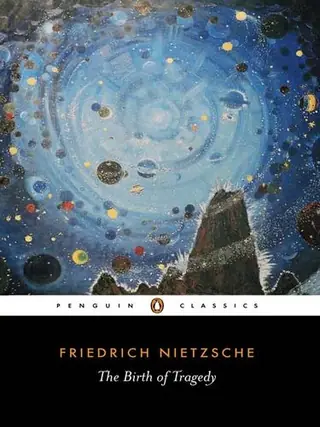
悲剧的诞生
The Birth of Tragedy
Friedrich Nietzsche · 初版 1872 年
5人推荐
16位读者提及
16次提及
为什么值得读
- 展现青年尼采将哲学与诗歌相联系的视角
- 包含作者对历史与科学的早期独特观点
- 适合作为叔本华世界与表象理论的延伸阅读
作为对艺术在生命中之必要性的有力论证,Nietzsche 的第一本书充溢着他对 Greek tragedy、Schopenhauer 哲学以及 Wagner 音乐(本书题献给他)的饱满热情。Nietzsche 概括了其中两种核心力量的区别:代表美与秩序的 Apolline,以及对崇高体验的原生或狂喜反应 Dionysiac。他认为这两种状态的结合孕育了最高形式的音乐和悲剧,它们不仅揭示了生命痛苦的真相,也为痛苦提供了慰藉。满怀激……
Hacker News 上怎么说
正在加载完整评论……
……这里有个希仙轻稚(Csíkszentmihályi)在2004年的TED演讲:http://www.ted.com/talks/mihaly_csikszentmihalyi_on_flow.htm... 另外也很值得一读的有:《禅与摩托车维修艺术》(罗伯特·波西格,1974)、《悲剧的诞生》(尼采,1872)
…Here’s a TED talk by Csíkszentmihályi (2004): http://www.ted.com/talks/mihaly_csikszentmihalyi_on_flow.htm... Also worth reading: Zen and the Art of Motorcycle Maintenance (Robert Pirsig, 1974), The Birth of Tragedy (Nietzsche, 1872)
……世界与其表象之间那道无法逾越的鸿沟,可以去读叔本华的《作为意志和表象的世界》,要是这还不过瘾,还可以读康德的《纯粹理性批判》和尼采的《悲剧的诞生》。哲学自古以来一直面临的难题就是:在一个底层本质上完全无法被表象的世界里,我们究竟该如何建立结构秩序并相互交流……
…unbridgeable difference between the world and its representation read Schopenhauer's World as Will and Representation, and if that doesn't fully satisfy you, also Kant's Critique of Pure Reason, and Nietzsche's Birth of Tragedy. The trouble that philosophy has always come across is the issue of how we are able, in a world which is at the bottom totally unrepresentable, to apply structural order and communicate with one another…
《快乐的科学》是尼采的另一本神作。不过有机会的话一定要读读《悲剧的诞生》,尼采早年对历史和科学的见解同样非常值得一读和深思。
The Gay Science is another great Nietzsche book. Pick up The Birth of Tragedy if you get a chance though, Nietzche's early views on history and science are also worth reading and considering.
如果你觉得叔本华在这方面的观点挺有意思,我建议你去读读《悲剧的诞生》,看看年轻的尼采是如何把它延伸并与诗歌联系起来的。
If you found Schopenhauer's thoughts on it interesting, I'd recommend giving The Birth of Tragedy a read to see where a young Nietzsche took it, relating it to poetry.
尼采的《悲剧的诞生》
Nietzsche's The Birth of Tragedy
……学习化学,例如在莱比锡与 O.L. Erdmann 和 H. Kolbe 一起:我们今天会把他算作伟大的德国化学家之一吗?”[2],众所周知,他退回到语文学,并于 1872 年出版了《The Birth of Tragedy》。顺便说一句,1869 年,显然在一天之内,2 月 17 日,Dmitri Mendeleev 构思了第一张元素周期表[3]。没有人能猜到那些涂鸦中蕴含的力量,……
…studying chemistry, for instance with O.L. Erdmann and H. Kolbe in Leipzig: would we be counting him nowadays among our great German chemists?" [2], as we know, he falls back into philology and publishes The Birth of Tragedy in 1872. Incidentally, in 1869, apparently in one day, February 17, Dmitri Mendeleev conceived the first periodic table of the elements [3]. No one could have guessed the power that lies in those scribbles,…