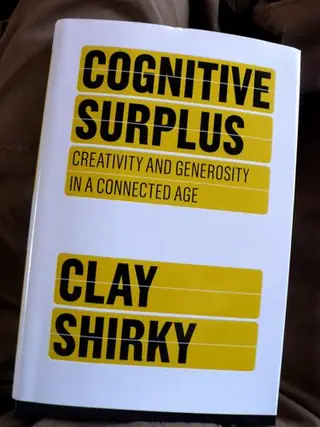
认知盈余
Cognitive Surplus
Clay Shirky · 初版 2010 年
3人推荐
21位读者提及
27次提及
为什么值得读
- 解释人们为何乐于在网络上贡献智力盈余
- 改变读者对自己日常充裕空闲时间的认知
- 以生动的商业案例透彻剖析用户行为逻辑
“在20世纪下半叶的每一年里,人类看电视的总时长都在递增。统算下来,我们现在每年看电视的时间超过一万亿小时——用Clay Shirky的视角来看,这无异于将全世界受过良好教育的公民的闲暇时间(即他们的‘cognitive surplus’)统统倒入了一个知识的下水道。这并不是说电视本身邪恶或有害,而是在于作为一种媒介,它极其擅长吞噬闲暇时光,却几乎不产生任何切实的成果。它讲述故事,驱散人们的孤独感,打发时间。
Hacker News 上怎么说
正在加载完整评论……
那些觉得 Quora 只是昙花一现或者只是文青专属的人,根本没读懂克莱·舍基(Clay Shirky)的《认知盈余》(Cognitive Surplus)。1)输出和贡献比打电动或看电视更有成就感。2)现在人们拥有的空闲时间比历史上任何时候都多。大家总会贡献出某种智力……
People who think Quora is temporary or just for hipsters don't understand Clay Shirky's Cognitive Surplus. 1) Contributing is more rewarding than playing video games or watching TV. 2) People have more free time now than at any other point in history. They're going to contribute some kind of intellectual…
你大概会喜欢克莱·舍基的书《Cognitive Surplus》,它让我真正想通了手头看似过剩的时间到底意味着什么。这里有一篇摘录:http://mentalfloss.com/article/18670/gin-sitcoms-and-cogniti...
You'd probably enjoy Clay Shirky's book "Cognitive Surplus", which really put into perspective for me what this apparent glut of time I had on my hands meant. There's an excerpt at: http://mentalfloss.com/article/18670/gin-sitcoms-and-cogniti...
克莱·舍基在他那本好书《Cognitive Surplus: Creativity and Generosity in a Connected Age》里讲过同一个故事 https://witandwisdomofanengineer.blogspot.com/2010/07/engine... 太长不看(TLDR):麦当劳的顾客买奶昔,营销人员问顾客怎样才能……
Clay Shirky told the same story in his excellent book `Cognitive Surplus: Creativity and Generosity in a Connected Age` https://witandwisdomofanengineer.blogspot.com/2010/07/engine... TLDR: McDonald's customers buy milkshakes. Marketing people ask customers how they can…
……分类广告;他那家(估计)1 亿美元市值的业务,助力颠覆了超过 130 亿美元的分类广告营收。这些资金成了交易者的红利,所以价值并没有消失,但工作岗位却没了。再看看克莱·舍基的认知盈余概念。在 Google+ 上该帖的评论区里,Eric Reasons 拿娱乐行业举了个例子。他们遭遇了双重打击。“从前被称作受众的人群”(借用 Jay Rosen 的名言)现在有了更多途径来……
…classifieds; his (estimated) $100m business helped disrupt more than $13b in classified revenue. The funds are a dividend for the transactors so the value is not gone, but jobs are. Look, too, to Clay Shirky's cognitive surplus. In the comments on this post at Google+, Eric Reasons brought up entertainment as an example. They get a double whammy. The people formerly known as the audience (TM Jay Rosen) now have more ways to…
……寻找有趣的折中地带。我觉得,目前大量的公开讨论差不多都被框在“极度乐观”和“极度悲观”这两个极端之间,分别以克莱·舍基的《Cognitive Surplus: Creativity and Generosity in a Connected Age》和尼古拉斯·卡尔的《The Shallows: What the Internet Is Doing to Our Brains》为代表。这两本书简直成了一对针锋相对的打擂之作,但我宁愿读点带有……
…for interesting middle ground, I think. A lot of the public debate currently is framed more or less between the "very optimistic" and "very pessimistic" poles represented, respectively, by Clay Shirky's Cognitive Surplus: Creativity and Generosity in a Connected Age, and Nicholas Carr's The Shallows: What the Internet Is Doing to Our Brains. They make for a nice pair of dueling books, but I'd rather read something with…
……通俗易懂的立场,就跟“Go 语言牛逼!”或者“Go 语言垃圾!”这类论调差不多。我觉得自己普遍注意到这种倾向(尽管之前肯定有更多例子),是在克莱·舍基的《Cognitive Surplus》和尼古拉斯·卡尔的《The Shallows》同时成为畅销书的时候。在“现代科技/网络如何影响认知”这个问题上,最好卖的两种立场似乎就是:“它对于……简直太棒了”
…easy to understand positions, of the "Go is great!" or "Go is crap!" variety. I think I first noticed that tendency in general, though there are doubtless lots of earlier examples, when Clay Shirky's Cognitive Surplus and Nicholas Carr's The Shallows were simultaneous best-sellers. On the question of how modern technology/networking impacts cognition, it seems the two positions that sell a lot are: "it's awesome for…