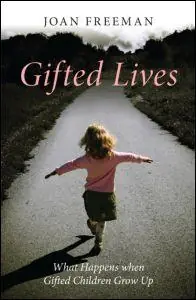
天赋人生
Gifted lives
Freeman, Joan · 初版 2010 年
2位读者提及
2次提及
本书展现了二十位极具天赋的人在英国从崭露头角走向成熟的曲折经历。这些引人入胜的记录由屡获殊荣的心理学家 Joan Freeman 在过去三十五年间追踪记载,揭示了受访者的挫折与辉煌,并探究了为何有人半途陨落,有人却功成名就。这些出类拔萃的人在数学、艺术、音乐和灵性等领域拥有多样智力、社交与情感天赋。凭借自身的特殊才能,他们常常面
Hacker News 上怎么说
正在加载完整评论……
Gifted lives
Freeman, Joan · 初版 2010 年
本书展现了二十位极具天赋的人在英国从崭露头角走向成熟的曲折经历。这些引人入胜的记录由屡获殊荣的心理学家 Joan Freeman 在过去三十五年间追踪记载,揭示了受访者的挫折与辉煌,并探究了为何有人半途陨落,有人却功成名就。这些出类拔萃的人在数学、艺术、音乐和灵性等领域拥有多样智力、社交与情感天赋。凭借自身的特殊才能,他们常常面
正在加载完整评论……
“当有阅读障碍的孩子长大”或者“当天赋异禀的孩子长大”作为文章标题完全没毛病。事实上,随手 Google 一下就能搜到关于后者的书:http://www.amazon.com/Gifted-Lives-What-Happens-Children/dp/... 我觉得这种标题结构适用于任何大多数报道/写作都聚焦于儿童时期状况、而非成年后发展情况的领域。
"When Children with Dyslexia Grow Up" or "When Gifted Children Grow Up" make perfect sense as article titles. In fact, a quick Google search yields a book for the second: http://www.amazon.com/Gifted-Lives-What-Happens-Children/dp/... I think the title structure would work for any domain where most reporting/writing focuses on the condition in children, rather than their later development as adults.
36年来,Freeman 博士一直追踪研究一组包含 210 名英国儿童的群体——其中一些是天才儿童,大多数则不是。在她的新书《Gifted Lives》中,她得出结论:在被认定为天才的 20 人中,只有 6 人成年后的生活兑现了他们早年展现的潜能(其中一位是成功的歌剧演唱家;另一位在经营对冲基金。)我…
For 36 years, Dr. Freeman has studied a group of 210 British children - some gifted, most not. In her new book, Gifted Lives, she concluded that, of the 20 identified as gifted, only six went on to adult lives that matched the potential of their early promise (one is a successful opera singer; another runs a hedge fund.) I…