我很好奇他有没有读过 Bruno Snell 的《心灵的发现:欧洲思想的希腊渊源》(The Discovery of the Mind: The Greek Origins of European Thought)。文章中描述的许多关于希腊人以及《伊利亚特》/《奥德赛》的内容,都与 Snell 的方法颇为相似。不过 Snell 当时并没有使用二分心智……
I wonder if he read Bruno Snell's "The Discovery of the Mind: The Greek Origins of European Thought." A lot of what's described in the article about the Greeks and the Iliad/Odyssey is akin to Snell's approach. Though Snell didn't use the idea of the bicameral…
……描述了拳击手克勒俄墨得斯(Kleomedes),因为输了一场比赛心怀怨恨而屠杀了数十名儿童。刚开始读古典文学时,Bruno Snell 在《心灵的发现》(The Discovery of the Mind)中提出的一个观点深深震撼了我:荷马不仅没有任何词汇对应我们现在所说的“心灵”或“灵魂”,甚至根本没把身体看作一个单一整体——反而更像是一堆肢体的集合。这里的这篇文章谈到了这一点:https://intertheory.org/torrente.htm……
…describe the boxer Kleomedes, who massacred dozens of kids because he was upset over losing a match. When I first started reading classical literature I was struck by an idea I found in Bruno Snell's The Discovery of the Mind, that Homer, apart from having no words corresponding to our "mind" or "soul," didn't even refer to the body as a single whole--more as a collection of limbs. The article here talks about this: https://intertheory.org/torrente.htm…
……被证伪了,比如 Bruno Snell 提出的早期希腊人缺乏整体身体概念的观点,因为他们在几何风格时期的陶瓶上画出的看起来像是独立的肢体。Snell 是在1946年写的《心灵的发现》(The Discovery of the Mind)。从那以后,考古学发现了像皮洛斯战斗玛瑙(Pylos Combat Agate)这样早于几何风格时期的惊人艺术品,展示出栩栩如生、逼真的身体,而不是肢体的拼凑:这种审美……
…invalidated, like Bruno Snell's idea of archaic Greeks lacking a concept of an integrated body because they painted what appear to be individual limbs on vases from the geometric period. Snell wrote _The Discovery of the Mind_ in 1946. Since then archaeology has found amazing art like the Pylos Combat Agate from before the geometric period, demonstrating lifelike, realistic bodies rather than assemblages of limbs: the aesthetic…
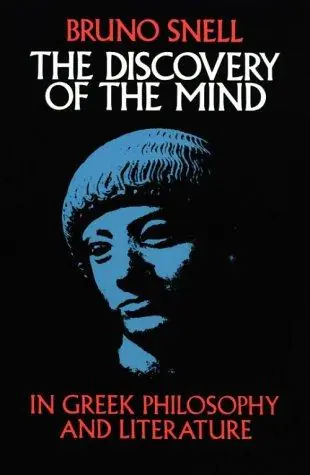
如果你对这类理论感兴趣,你可能也会喜欢 Bruno Snell 的《心灵的发现》(The Discovery of the Mind)。
if you are interested in such theories, you might also enjoy Bruno Snell's The Discovery of the Mind.
我很好奇他有没有读过 Bruno Snell 的《心灵的发现:欧洲思想的希腊渊源》(The Discovery of the Mind: The Greek Origins of European Thought)。文章中描述的许多关于希腊人以及《伊利亚特》/《奥德赛》的内容,都与 Snell 的方法颇为相似。不过 Snell 当时并没有使用二分心智……
I wonder if he read Bruno Snell's "The Discovery of the Mind: The Greek Origins of European Thought." A lot of what's described in the article about the Greeks and the Iliad/Odyssey is akin to Snell's approach. Though Snell didn't use the idea of the bicameral…
……描述了拳击手克勒俄墨得斯(Kleomedes),因为输了一场比赛心怀怨恨而屠杀了数十名儿童。刚开始读古典文学时,Bruno Snell 在《心灵的发现》(The Discovery of the Mind)中提出的一个观点深深震撼了我:荷马不仅没有任何词汇对应我们现在所说的“心灵”或“灵魂”,甚至根本没把身体看作一个单一整体——反而更像是一堆肢体的集合。这里的这篇文章谈到了这一点:https://intertheory.org/torrente.htm……
…describe the boxer Kleomedes, who massacred dozens of kids because he was upset over losing a match. When I first started reading classical literature I was struck by an idea I found in Bruno Snell's The Discovery of the Mind, that Homer, apart from having no words corresponding to our "mind" or "soul," didn't even refer to the body as a single whole--more as a collection of limbs. The article here talks about this: https://intertheory.org/torrente.htm…
……被证伪了,比如 Bruno Snell 提出的早期希腊人缺乏整体身体概念的观点,因为他们在几何风格时期的陶瓶上画出的看起来像是独立的肢体。Snell 是在1946年写的《心灵的发现》(The Discovery of the Mind)。从那以后,考古学发现了像皮洛斯战斗玛瑙(Pylos Combat Agate)这样早于几何风格时期的惊人艺术品,展示出栩栩如生、逼真的身体,而不是肢体的拼凑:这种审美……
…invalidated, like Bruno Snell's idea of archaic Greeks lacking a concept of an integrated body because they painted what appear to be individual limbs on vases from the geometric period. Snell wrote _The Discovery of the Mind_ in 1946. Since then archaeology has found amazing art like the Pylos Combat Agate from before the geometric period, demonstrating lifelike, realistic bodies rather than assemblages of limbs: the aesthetic…