那你也可以考虑一下:George Spencer Brown 的《The Laws of Form》,Gotthard Günther 写的任何关于逻辑的东西 :)(他是个奇人。)Maturana 和 Varela 的《Autopoiesis and Cognition: the Realization of the Living》,Niklas Luhmann 写的关于社会系统的任何东西:经济、大众媒体、艺术、功能分化……他是 Talcott Parsons 的学生……
Would you also consider then: _The Laws of Form_ by George Spencer Brown, Anything about logic by Gotthard Günther :) (He's a rare bird.) _Autopoiesis and Cognition: the Realization of the Living_ by Maturana and Varela Anything by Niklass Luhmann about social systems: the economy, mass media, art, functional differentiation, … He was a student of Talcott Parsons…
你说到点子上了。问这个问题,等于是在试图从外部去定义一个内部递归过程。这问题纯粹是混淆了领域。这也是 Humberto Maturana 在《Autopoiesis and Cognition》(1980 年,现已再版)里的核心观点。整本书都很推荐,Terry Winograd 也很推崇。最硬核的部分是专门讲神经系统的附录。Nagel 等人根本不懂神经科学,完全摸不着头脑……
You nailed it. Asking the question is asking to define from the outside what is an inner recursive process. The question is a simple confusion of domains. This is Humbert Maturana’s main point in Autopoiesis and Cognition (1980, now reissued). Recommend the whole book, as does Terry Winograd. The most intense part is the appendix specifically about the nervous system. Nagel and others knew no neuroscience and are clueless…
我对这个话题最喜欢的探讨出自 Maturana 和 Varela 的《Autopoiesis and cognition: the realization of the living》。细胞必须“工作”以维持自身继续维持自身能力的能力……(以此类推,递归进行)。病毒则不需要。http://en.wikipedia.org/wiki/Autopoiesis
My favorite exploration of this topic is found in Maturana and Varela's "Autopoiesis and cognition: the realization of the living". Cells have to "work" to preserve their ability to go on preserving their ability to ... (etc. recursively). Viruses don't. http://en.wikipedia.org/wiki/Autopoiesis
……类型学。我觉得 RK 会喜欢 Humberto Maturana 对认知和自我认知的见解。Maturana 通常不用“意识(consciousness)”这个词。可以先读 Maturana 和 Francisco Varela 合著的书:《Autopoiesis and Cognition: The Realization of the Living》(1970)。这本书的附录很重要(“神经系统”)。最后几页简直让我大受震撼(blew my mind);-) 讨论意识而不去更深入地思考……
…typology. I think RK would enjoy Humberto Maturana’s take on cognition and self-cognition. Maturana usually does not use the word “consciousness”. Start with Maturana’s book with Francisco Valera: Autopoiesis and Cognition: The Realization of the Living (1970) The appendix of this book is important (“The Nervous System”). Last few pages blew my brain or mind ;-) Thinking about consciousness without thinking more deeply…
……与死亡”,重点讲克雷布斯循环。他把生物化学和生物能量学讲得生动极了,足以冲击你的思维。Maturana 和 Varela 在《Autopoiesis and Cognition: The Realization of the Living》(1980)中对“生命”给出了精辟的定义。但他们的写作风格会让这本书啃起来很费劲。Terry Winograd 在他的计算机科学经典《Computers and……》中对 Maturana 的哲学写了一份很实用的总结……
…and Death” that is focused on the Kreb’s cycle. He brings biochemistry and bioenergetics alive in a way that will impact your thinking. Maturana and Valera gave a brilliant definition of “living” in Autopoiesis and Cognition: The Realization of the Living” (1980). But their writing style will make this a tough read. Terry Winograd write a useful summary if Maturana’s philosophy in his computer science classic “Computers and…
想对你的问题有个满意的答案,这本书你得读上一遍、两遍甚至三遍。Humberto Maturana 和 Francisco Varela(1979)的《Autopoiesis and Cognition: The Realization of the Living》。ISBN 90-277-1015-5。这书不好读,但确实能回答你的问题。Terry Winograd 非常推崇这本书。我自己是一名神经科学家,职业生涯很晚才发现这本神作。……
This is the book you will want to read once, twice, or three times to have a good answer to your question. Humbert Maturana and Francesco Valera(1979) Autopoiesis and Cognition: The Realization of the Living. ISBN 90-277-1015-5. Not an easy book, but one that answers your question. Terry Winograd loves this book. I am a neuroscientist and only found this gem late in my career.…
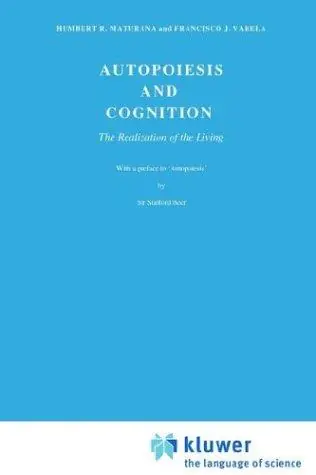
那你也可以考虑一下:George Spencer Brown 的《The Laws of Form》,Gotthard Günther 写的任何关于逻辑的东西 :)(他是个奇人。)Maturana 和 Varela 的《Autopoiesis and Cognition: the Realization of the Living》,Niklas Luhmann 写的关于社会系统的任何东西:经济、大众媒体、艺术、功能分化……他是 Talcott Parsons 的学生……
Would you also consider then: _The Laws of Form_ by George Spencer Brown, Anything about logic by Gotthard Günther :) (He's a rare bird.) _Autopoiesis and Cognition: the Realization of the Living_ by Maturana and Varela Anything by Niklass Luhmann about social systems: the economy, mass media, art, functional differentiation, … He was a student of Talcott Parsons…
你说到点子上了。问这个问题,等于是在试图从外部去定义一个内部递归过程。这问题纯粹是混淆了领域。这也是 Humberto Maturana 在《Autopoiesis and Cognition》(1980 年,现已再版)里的核心观点。整本书都很推荐,Terry Winograd 也很推崇。最硬核的部分是专门讲神经系统的附录。Nagel 等人根本不懂神经科学,完全摸不着头脑……
You nailed it. Asking the question is asking to define from the outside what is an inner recursive process. The question is a simple confusion of domains. This is Humbert Maturana’s main point in Autopoiesis and Cognition (1980, now reissued). Recommend the whole book, as does Terry Winograd. The most intense part is the appendix specifically about the nervous system. Nagel and others knew no neuroscience and are clueless…
我对这个话题最喜欢的探讨出自 Maturana 和 Varela 的《Autopoiesis and cognition: the realization of the living》。细胞必须“工作”以维持自身继续维持自身能力的能力……(以此类推,递归进行)。病毒则不需要。http://en.wikipedia.org/wiki/Autopoiesis
My favorite exploration of this topic is found in Maturana and Varela's "Autopoiesis and cognition: the realization of the living". Cells have to "work" to preserve their ability to go on preserving their ability to ... (etc. recursively). Viruses don't. http://en.wikipedia.org/wiki/Autopoiesis
……类型学。我觉得 RK 会喜欢 Humberto Maturana 对认知和自我认知的见解。Maturana 通常不用“意识(consciousness)”这个词。可以先读 Maturana 和 Francisco Varela 合著的书:《Autopoiesis and Cognition: The Realization of the Living》(1970)。这本书的附录很重要(“神经系统”)。最后几页简直让我大受震撼(blew my mind);-) 讨论意识而不去更深入地思考……
…typology. I think RK would enjoy Humberto Maturana’s take on cognition and self-cognition. Maturana usually does not use the word “consciousness”. Start with Maturana’s book with Francisco Valera: Autopoiesis and Cognition: The Realization of the Living (1970) The appendix of this book is important (“The Nervous System”). Last few pages blew my brain or mind ;-) Thinking about consciousness without thinking more deeply…
……与死亡”,重点讲克雷布斯循环。他把生物化学和生物能量学讲得生动极了,足以冲击你的思维。Maturana 和 Varela 在《Autopoiesis and Cognition: The Realization of the Living》(1980)中对“生命”给出了精辟的定义。但他们的写作风格会让这本书啃起来很费劲。Terry Winograd 在他的计算机科学经典《Computers and……》中对 Maturana 的哲学写了一份很实用的总结……
…and Death” that is focused on the Kreb’s cycle. He brings biochemistry and bioenergetics alive in a way that will impact your thinking. Maturana and Valera gave a brilliant definition of “living” in Autopoiesis and Cognition: The Realization of the Living” (1980). But their writing style will make this a tough read. Terry Winograd write a useful summary if Maturana’s philosophy in his computer science classic “Computers and…
想对你的问题有个满意的答案,这本书你得读上一遍、两遍甚至三遍。Humberto Maturana 和 Francisco Varela(1979)的《Autopoiesis and Cognition: The Realization of the Living》。ISBN 90-277-1015-5。这书不好读,但确实能回答你的问题。Terry Winograd 非常推崇这本书。我自己是一名神经科学家,职业生涯很晚才发现这本神作。……
This is the book you will want to read once, twice, or three times to have a good answer to your question. Humbert Maturana and Francesco Valera(1979) Autopoiesis and Cognition: The Realization of the Living. ISBN 90-277-1015-5. Not an easy book, but one that answers your question. Terry Winograd loves this book. I am a neuroscientist and only found this gem late in my career.…