……Mind(铃木俊隆) Deschooling Society(伊万·伊里奇) Moby Dick(赫尔曼·梅尔维尔) Bolo'Bolo(P.M.) Le Ton beau de Marot(侯世达) Gaia: A New Look at Life on Earth(詹姆斯·洛夫洛克) Mouse or Rat: Translation as Negotiation(翁贝托·埃科) Neuromancer(威廉·吉布森) The Intelligent Investor(本杰明·格雷厄姆) Don Quixote(米格尔·塞万提斯)
…Mind (Shunryu Suzuki) Deschooling Society (Ivan Illich) Moby Dick (Herman Melville) Bolo'Bolo (P.M.) Le Ton beau de Marot (Douglas Hofstadter) Gaia: A New Look at Life on Earth (James Lovelock) Mouse or Rat: Translation as Negotiation (Umberto Eco) Neuromancer (William Gibson) The Intelligent Investor (Benjamin Graham) Don Quixote (Miguel Cervantes)
……如果他们能用地道的译入语写作的话,本该是这样写的。[...] 如果某个双关语在译入语里说不通,一个流畅的作者会换另一个双关语,但你怎么知道换哪个?翁贝托·埃科在《Mouse Or Rat?》[1] 中描述了两种不同的翻译路径(这里我意译一下):源语导向 vs 目标语导向。你的例子举得很好,但其实只触及了语法层面的差异。还有文化层面的……
…written, if they were writing fluently in the target language. [...] If a pun doesn't work in the target language, a fluent writer would have used a different pun, but how do you know which? Umberto Eco, in Mouse Or Rat?[1], describes two different approaches to translation, (I'm paraphrasing here) source vs. target. Your example is a good one, but it actually only touches on grammatical differences. There are cultural…
……总理已经是角色了,因为他作为人存在于故事中?不管怎么说,我们可以不提名字来谈论角色,甚至不说话也行,这就是我的意思。我有个翁贝托·埃科在《Mouse or Rat》里关于直译的轶事正合此意:“在他为近期《白鲸记》意大利语新译本写的注释中,译者贝尔纳多·德拉吉针对著名的开篇第一句‘叫我以实玛利’足足写了三页。以往的意大利语译者……
…Chancellor is already character because he exists as a person in story? Regardless, we can speak about characters without their names, even without speaking, that is what I mean. I have anecdote Umberto Eco Mouse or Rat to match re literal "In his notes to a recent Italian translation of Moby Dick the translator, Bernardo Draghi, spends three pages apropos the famous opening line, Call me Ishmael. Previous Italian translators…
……Mind(铃木俊隆) Deschooling Society(伊万·伊里奇) Moby Dick(赫尔曼·梅尔维尔) Bolo'Bolo(P.M.) Le Ton beau de Marot(侯世达) Gaia: A New Look at Life on Earth(詹姆斯·洛夫洛克) Mouse or Rat: Translation as Negotiation(翁贝托·埃科) Neuromancer(威廉·吉布森) The Intelligent Investor(本杰明·格雷厄姆) Don Quixote(米格尔·塞万提斯)
…Mind (Shunryu Suzuki) Deschooling Society (Ivan Illich) Moby Dick (Herman Melville) Bolo'Bolo (P.M.) Le Ton beau de Marot (Douglas Hofstadter) Gaia: A New Look at Life on Earth (James Lovelock) Mouse or Rat: Translation as Negotiation (Umberto Eco) Neuromancer (William Gibson) The Intelligent Investor (Benjamin Graham) Don Quixote (Miguel Cervantes)
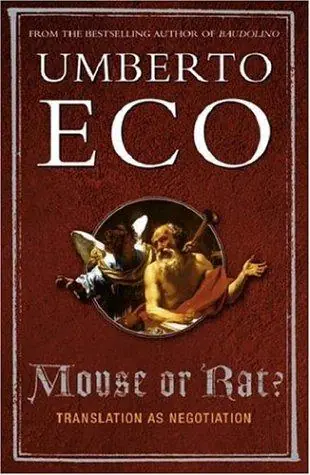
我也推荐埃科自己写的那本《Mouse or Rat: Translation As Negotiation》。
I would also recommend Eco's own Mouse or Rat: Translation As Negotiation.
……如果他们能用地道的译入语写作的话,本该是这样写的。[...] 如果某个双关语在译入语里说不通,一个流畅的作者会换另一个双关语,但你怎么知道换哪个?翁贝托·埃科在《Mouse Or Rat?》[1] 中描述了两种不同的翻译路径(这里我意译一下):源语导向 vs 目标语导向。你的例子举得很好,但其实只触及了语法层面的差异。还有文化层面的……
…written, if they were writing fluently in the target language. [...] If a pun doesn't work in the target language, a fluent writer would have used a different pun, but how do you know which? Umberto Eco, in Mouse Or Rat?[1], describes two different approaches to translation, (I'm paraphrasing here) source vs. target. Your example is a good one, but it actually only touches on grammatical differences. There are cultural…
……总理已经是角色了,因为他作为人存在于故事中?不管怎么说,我们可以不提名字来谈论角色,甚至不说话也行,这就是我的意思。我有个翁贝托·埃科在《Mouse or Rat》里关于直译的轶事正合此意:“在他为近期《白鲸记》意大利语新译本写的注释中,译者贝尔纳多·德拉吉针对著名的开篇第一句‘叫我以实玛利’足足写了三页。以往的意大利语译者……
…Chancellor is already character because he exists as a person in story? Regardless, we can speak about characters without their names, even without speaking, that is what I mean. I have anecdote Umberto Eco Mouse or Rat to match re literal "In his notes to a recent Italian translation of Moby Dick the translator, Bernardo Draghi, spends three pages apropos the famous opening line, Call me Ishmael. Previous Italian translators…