……彩色 CRT 中,它只被用于背面和侧面,因为 X 射线会让含铅玻璃变黑发褐。面板使用的是钡锶玻璃,我猜价格应该更贵。肯尼斯·康普顿的《CRT 显示器的图像性能》(Image Performance in CRT Displays)中的这章样本提供了一些细节:https://spie.org/samples/TT54.pdf 我觉得完全没理由不能把整个外壳都做成钡锶玻璃。
…color CRTs, it was only used for the backs and sides, because x-rays make leaded glass turn brown. The faceplates used barium-strontium glass, which I assume was more expensive. This sample chapter from "Image Performance in CRT Displays" by Kenneth Compton provides some details: https://spie.org/samples/TT54.pdf I see no reason why you couldn't make the whole thing from barium-strontium glass.
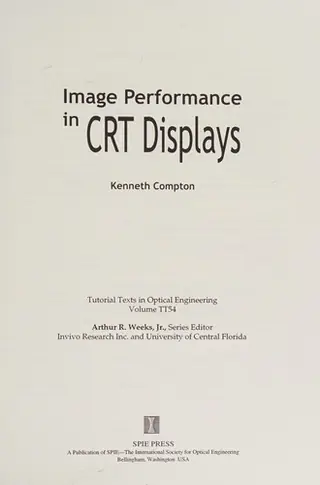
该章节出自:肯尼斯·康普顿的《CRT 显示器的图像性能》(Image Performance in CRT Displays),SPIE 光学工程教程丛书第 TT54 卷
The chapter is from: Kenneth Compton, "Image Performance in CRT Displays", SPIE Tutorial Texts in Optical Engineering Vol. TT54
……彩色 CRT 中,它只被用于背面和侧面,因为 X 射线会让含铅玻璃变黑发褐。面板使用的是钡锶玻璃,我猜价格应该更贵。肯尼斯·康普顿的《CRT 显示器的图像性能》(Image Performance in CRT Displays)中的这章样本提供了一些细节:https://spie.org/samples/TT54.pdf 我觉得完全没理由不能把整个外壳都做成钡锶玻璃。
…color CRTs, it was only used for the backs and sides, because x-rays make leaded glass turn brown. The faceplates used barium-strontium glass, which I assume was more expensive. This sample chapter from "Image Performance in CRT Displays" by Kenneth Compton provides some details: https://spie.org/samples/TT54.pdf I see no reason why you couldn't make the whole thing from barium-strontium glass.