我从没读过这本书,但现在肯定得看了。我也推荐读读 Henry Petroski 的书。《The Evolution of Useful Things》、《The Pencil: A History of Design and Circumstance》和《To Engineer is Human》都在论证:我们周围事物的形态,往往不是靠灵光一闪的洞见,而是靠演化逐渐迭代出来的……
I've never read this book but of course now I have to. I'll suggest reading Henry Petroski's stuff, too. "The Evolution of Useful Things", "The Pencil: A History of Design and Circumstance", and "To Engineer is Human" all make the case that the design of things around us are shaped less by insight and more by evolution, incrementally building…
…but we need to be careful with it, because "tech" is a moving target that only includes what's novel. As an example, pencils are an excellent technology for writing. (Petroski's "The Pencil" and "The Evolution of Useful Things" are great reads on how much innovation it takes to make something mundane.) But Faber-Castell is definitely not a tech company. Similarly, ~100 years ago, electricity was novel. Fortunes were made starting…
……尽管他们根本没用到任何相关技术。由于这个术语既没有商标,也没有任何组织来维护,所有心怀不轨的营销客就都来趁机捞一把了。[1] 对此有怀疑的人,读读 Petroski 的《The Evolution of Useful Things》就能把思路理顺了:https://www.amazon.com/Evolution-Useful-Things-Artifacts-Zip...
…when they don't use any of the technologies involved. With no trademark on the term or organization to defend it, it's open season for all the sketch marketers. [1] For those who doubt, Petroski's "The Evolution of Useful Things" will set you straight: https://www.amazon.com/Evolution-Useful-Things-Artifacts-Zip...
回答你的问题:是的。我非常喜欢这本书,听起来你可能也会喜欢:《The Evolution of Useful Things: How Everyday Artifacts-From Forks and Pins to Paper Clips and Zippers-Came to be as They are》,平装版 – 1994 年 2 月 1 日,作者 Henry Petroski:https://www.amazon.com/Evolution-Useful-Things-Artifacts-Zip...
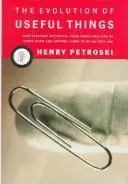
To answer your question, yes. I really enjoyed this book, and it sounds you might too The Evolution of Useful Things: How Everyday Artifacts-From Forks and Pins to Paper Clips and Zippers-Came to be as They are Paperback – February 1, 1994 by Henry Petroski (Author) https://www.amazon.com/Evolution-Useful-Things-Artifacts-Zip...
……解释了为什么过去书本通常要用铁链锁在书架上等等。如果你不了解这位作者,他最出名的可能就是《To Engineer is Human: the Role of Failure in Successful Design》了。我很喜欢《The Evolution of Useful Things》,因为看完了我才意识到美国人用叉子的姿势是错的。叉子的设计遵从功能,那个弧度是有讲究的。
…explaining why books were usually chained to their shelves, etc. If you don't know the author, his most famous is probably "To Engineer is Human: the Role of Failure in Successful Design". I liked "The Evolution of Useful Things", because now I realize Americans use their forks wrong. The design of the fork follows function, and that curve is there for a reason.
……更不用说曲别针那么多外观专利了。所以不是的,它绝非显然会被驳回。它可能只是个看似微不足道的东西。我之所以提到曲别针,是因为在 Henry Petroski 的《The Evolution of Useful Things》里,作者描述了一项曲别针专利权利要求,仅仅是把外圈金属丝延伸到了曲别针的弯环之外。这看似只是个微小的改动,但提交人却证明了……
…say nothing of the many design patents for paper clips. So not, it's not obvious that it will be rejected. It could be a seemingly minor thing. I brought up paperclips because in Henry Petroski's "The Evolution of Useful Things", the author describes how one paperclip patent claim was for the variant where the outside wire extends beyond the loop of the paperclip. That seems like a minor variation, but the submitter showed that…
我从没读过这本书,但现在肯定得看了。我也推荐读读 Henry Petroski 的书。《The Evolution of Useful Things》、《The Pencil: A History of Design and Circumstance》和《To Engineer is Human》都在论证:我们周围事物的形态,往往不是靠灵光一闪的洞见,而是靠演化逐渐迭代出来的……
I've never read this book but of course now I have to. I'll suggest reading Henry Petroski's stuff, too. "The Evolution of Useful Things", "The Pencil: A History of Design and Circumstance", and "To Engineer is Human" all make the case that the design of things around us are shaped less by insight and more by evolution, incrementally building…
……但这事儿我们得谨慎看待,因为“tech”是个动态变化的目标,只涵盖那些新奇的东西。举个例子,铅笔在书写领域是一项绝佳的 technology。(Petroski 的《The Pencil》和《The Evolution of Useful Things》非常精彩,讲了要把一件看似普通的东西做出来需要多少创新。)但 Faber-Castell 绝对算不上 tech 公司。同样,大约 100 年前,电也是新鲜事物。有人靠白手起家发了大财……
…but we need to be careful with it, because "tech" is a moving target that only includes what's novel. As an example, pencils are an excellent technology for writing. (Petroski's "The Pencil" and "The Evolution of Useful Things" are great reads on how much innovation it takes to make something mundane.) But Faber-Castell is definitely not a tech company. Similarly, ~100 years ago, electricity was novel. Fortunes were made starting…
……尽管他们根本没用到任何相关技术。由于这个术语既没有商标,也没有任何组织来维护,所有心怀不轨的营销客就都来趁机捞一把了。[1] 对此有怀疑的人,读读 Petroski 的《The Evolution of Useful Things》就能把思路理顺了:https://www.amazon.com/Evolution-Useful-Things-Artifacts-Zip...
…when they don't use any of the technologies involved. With no trademark on the term or organization to defend it, it's open season for all the sketch marketers. [1] For those who doubt, Petroski's "The Evolution of Useful Things" will set you straight: https://www.amazon.com/Evolution-Useful-Things-Artifacts-Zip...
回答你的问题:是的。我非常喜欢这本书,听起来你可能也会喜欢:《The Evolution of Useful Things: How Everyday Artifacts-From Forks and Pins to Paper Clips and Zippers-Came to be as They are》,平装版 – 1994 年 2 月 1 日,作者 Henry Petroski:https://www.amazon.com/Evolution-Useful-Things-Artifacts-Zip...
To answer your question, yes. I really enjoyed this book, and it sounds you might too The Evolution of Useful Things: How Everyday Artifacts-From Forks and Pins to Paper Clips and Zippers-Came to be as They are Paperback – February 1, 1994 by Henry Petroski (Author) https://www.amazon.com/Evolution-Useful-Things-Artifacts-Zip...
……解释了为什么过去书本通常要用铁链锁在书架上等等。如果你不了解这位作者,他最出名的可能就是《To Engineer is Human: the Role of Failure in Successful Design》了。我很喜欢《The Evolution of Useful Things》,因为看完了我才意识到美国人用叉子的姿势是错的。叉子的设计遵从功能,那个弧度是有讲究的。
…explaining why books were usually chained to their shelves, etc. If you don't know the author, his most famous is probably "To Engineer is Human: the Role of Failure in Successful Design". I liked "The Evolution of Useful Things", because now I realize Americans use their forks wrong. The design of the fork follows function, and that curve is there for a reason.
……更不用说曲别针那么多外观专利了。所以不是的,它绝非显然会被驳回。它可能只是个看似微不足道的东西。我之所以提到曲别针,是因为在 Henry Petroski 的《The Evolution of Useful Things》里,作者描述了一项曲别针专利权利要求,仅仅是把外圈金属丝延伸到了曲别针的弯环之外。这看似只是个微小的改动,但提交人却证明了……
…say nothing of the many design patents for paper clips. So not, it's not obvious that it will be rejected. It could be a seemingly minor thing. I brought up paperclips because in Henry Petroski's "The Evolution of Useful Things", the author describes how one paperclip patent claim was for the variant where the outside wire extends beyond the loop of the paperclip. That seems like a minor variation, but the submitter showed that…